
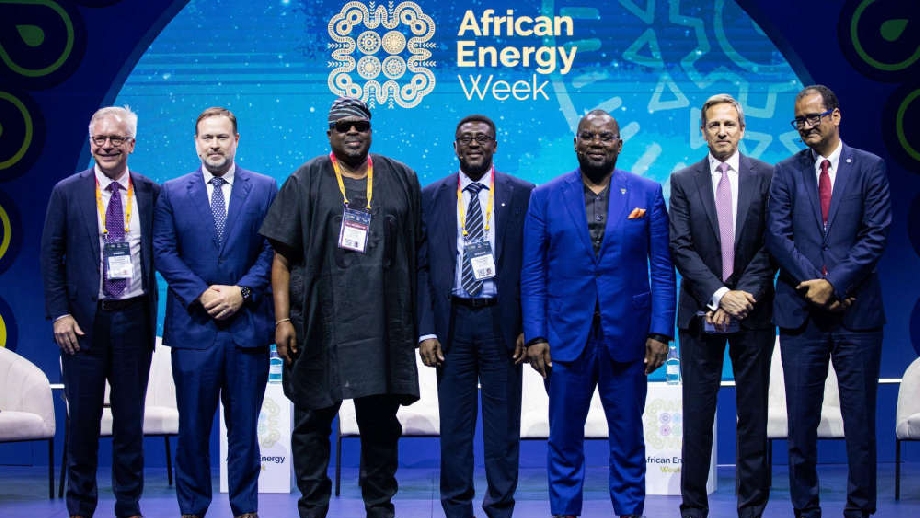
Nigeria’s ability to convert its oil and gas resources into reliable power, industrial growth and new investment will come under focus at African Energy Week 2026, scheduled to hold in Cape Town, South Africa, from October 12 to 16.
The conference is expected to bring together government officials, regulators, investors, energy companies, financiers and technology providers to discuss the future of Africa’s oil, gas, power, renewable energy and digital infrastructure sectors. For Nigeria, the meeting comes at a critical time. The country remains one of Africa’s largest oil producers and holds some of the continent’s biggest gas reserves. But businesses and households continue to face unreliable electricity, high energy costs, pipeline constraints and limited access to affordable project finance.
The central question at AEW 2026 will therefore be whether Nigeria and other African countries can move from announcing energy opportunities to delivering commercially viable projects.
Nigeria's Resource Paradox
Nigeria has long promoted natural gas as a major driver of industrialisation. Gas could support electricity generation, fertiliser production, petrochemicals, manufacturing, transport and data centres. However, inadequate infrastructure and financing challenges have slowed the development of many projects. The country’s energy contradiction remains clear: Nigeria is rich in oil and gas but continues to struggle with power shortages and high production costs.
Manufacturers spend heavily on diesel and private power systems, while many smaller businesses cannot afford the cost of generating their own electricity. This has weakened competitiveness and increased the cost of goods and services. AEW 2026 is expected to examine how reforms, private capital and new infrastructure can help close the gap between Nigeria’s energy resources and the needs of its economy.
Indigenous Operators Take Bigger Roles
Nigeria’s changing energy ownership structure will also feature prominently at the conference. Indigenous companies are taking greater control of assets previously operated by international oil companies. The shift has created opportunities for local firms to expand production, acquire technical experience and retain more value within the economy. Wale Tinubu, Group Chief Executive of Oando Plc, is among the Nigerian energy leaders confirmed to speak at AEW 2026. Oando has expanded its Nigerian portfolio following the acquisition of Nigerian Agip Oil Company’s onshore assets and is also seeking opportunities in other African markets. The company’s growth reflects a wider movement towards greater African ownership of energy assets.
But industry analysts say asset acquisition alone will not be enough. Indigenous operators must show that they have the capital, technical capacity and governance standards required to increase production, manage environmental liabilities and maintain infrastructure. The success of Nigeria’s energy transition to local ownership will depend on whether the new operators can perform more effectively and create wider economic value.
Local Content Enters New Phase
The future of Nigerian oilfield service companies will also form part of the AEW discussions. Nigeria’s local-content policy has helped domestic firms secure more contracts in engineering, logistics, fabrication, maintenance and well services. However, many companies still face difficulties accessing affordable finance, modern equipment and advanced technology. The next phase of local content is expected to focus on building Nigerian companies that can compete across Africa. This would require stronger technical partnerships, access to capital and opportunities to work in markets such as Ghana, Angola, Senegal, Namibia and Mozambique.
Industry stakeholders say local content must move beyond meeting regulatory targets. The goal should be to create globally competitive African companies capable of delivering major projects and retaining a larger share of energy-sector revenue on the continent.
Financing Remains Major Obstacle
The high cost of capital remains one of the biggest barriers to energy development in Nigeria and across Africa. Large oil, gas, power and infrastructure projects require long-term funding, but African countries often borrow at higher rates than developed markets. Currency volatility, political risk, regulatory uncertainty and concerns over contract enforcement increase the cost of financing.
AEW 2026 will bring financial institutions, development banks, commercial lenders and project sponsors together to discuss how viable African energy projects can secure funding. The discussions are expected to examine the role of development finance institutions, private-equity firms, sovereign wealth funds, pension funds and export-credit agencies. There is also growing pressure for African financial institutions to invest more of their capital in the continent’s infrastructure. However, financiers will require projects that are properly structured, commercially sustainable and protected against major regulatory and currency risks.
Gas Debate to Continue
Natural gas is expected to remain one of the most debated subjects at the conference. Nigeria and several other African countries argue that gas is essential for industrialisation, electricity generation and economic development. Climate campaigners and some international financial institutions have raised concerns about the long-term risks of new fossil-fuel projects.
African governments are expected to argue that the continent cannot adopt the same transition model as developed economies that already have universal electricity access and mature industrial systems. The emerging position is that Africa will require a mix of energy sources, including gas, solar, wind, hydroelectricity and geothermal power. The key test will be whether energy projects provide affordable power, create jobs, support industry and reduce import dependence.
AI Boom Creates New Power Demand
Nigeria’s growing digital economy will also feature at AEW 2026. Data centres, telecommunications networks, cloud platforms and artificial-intelligence systems require large amounts of reliable electricity. Companies including MTN, Airtel, Equinix and Kasi Cloud are expanding digital infrastructure in Nigeria and other African markets. But the sector’s growth will depend heavily on access to dependable power. This is creating opportunities for gas-to-power projects, renewable installations, battery storage and dedicated electricity systems for technology facilities.
Nigeria has the population, market size and gas resources to become a major digital-infrastructure hub. However, experts say the country must develop the power, fibre and regulatory systems needed to attract long-term investment. The question is not only whether Nigerians will use artificial intelligence, but whether the country will own and control more of the infrastructure behind it.
Refining and Fuel Security
Africa’s reliance on imported refined petroleum products will also be discussed at the conference. Despite producing crude oil, many African countries still import petrol, diesel, aviation fuel and other products. This dependence places pressure on foreign-exchange reserves and exposes economies to global price shocks. Nigeria’s expanding domestic refining capacity has created expectations that the country could reduce fuel imports and eventually supply more products to regional markets. But improving Africa’s fuel security will require more than domestic refining. It will also require storage facilities, pipelines, transport networks and greater cooperation among neighbouring countries. Regional electricity trading, shared logistics corridors and cross-border energy infrastructure could help lower costs and improve supply.
Conference Must Deliver Results
The success of AEW 2026 will be judged by what happens after the conference. Delegates will be expected to move beyond speeches and memoranda of understanding to completed transactions and physical infrastructure. The key questions will be how many projects secure finance, how many licensing announcements lead to exploration, and how many agreements result in power plants, pipelines, refineries, data centres and new production.
Africa does not lack energy conferences or policy declarations. Its bigger challenge is execution. For Nigeria, AEW 2026 presents an opportunity to demonstrate that its energy reforms can attract investment, strengthen indigenous companies and convert oil and gas resources into power, industry and jobs. The conference will matter only if it helps move the country and the continent from potential to production.

Comments
Add a comment