

The Federal Government has introduced fresh regulations that outlaw the use of roadblocks and cash collection to collect taxes across the country, in a bid to reform Nigeria’s tax system and make it fairer for traders and small businesses.
The new rules were unveiled on Tuesday in Abuja when officials signed the Presumptive Tax Regulations and Guidelines at the Federal Ministry of Finance.
The framework aims to bring more small and informal businesses into the formal tax system, encourage transparency, and reduce abusive tax practices that have troubled many business owners.
At the signing ceremony, Olusegun Adesokan, Executive Secretary of the Joint Revenue Board (JRB), said the framework “bans all forms of cash collection by tax authorities.”
He also said it “bans the mounting of roadblocks for the collection of taxes,” a practice many traders and transport operators have criticised as disruptive and unfair.
The regulations are intended to replace informal and coercive tax methods with a system that is predictable and easier to follow. Under the new rules, nano and small businesses with annual turnover of ₦12 million and below will be exempt from presumptive tax.
Other eligible informal businesses will pay a one per cent tax on turnover, and digital payment systems are encouraged to make compliance easier and more transparent.
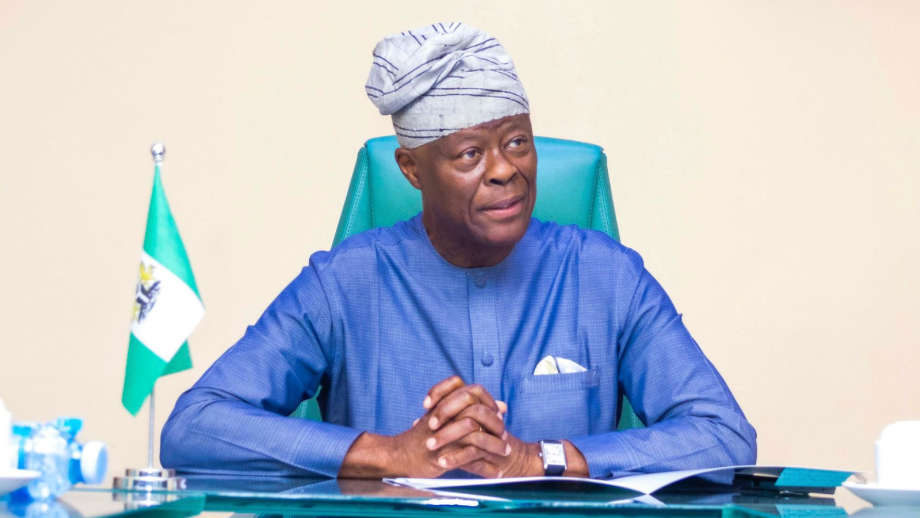
Finance Minister and Coordinating Minister of the Economy Wale Edun said the signing marked a shift from tax planning to structured implementation.
“With the signing of these regulations, we are transitioning from regulation to structured implementation of the tax reforms that were enacted in 2025 and early 2026,” Edun said.
He added that the framework is anchored on “transparency, fairness, clarity, indeed, equity and economic inclusion for Nigerians.”
Government officials said the reforms will help protect taxpayers, reduce arbitrary assessments by tax officials, and expand the tax base without increasing tax rates.