

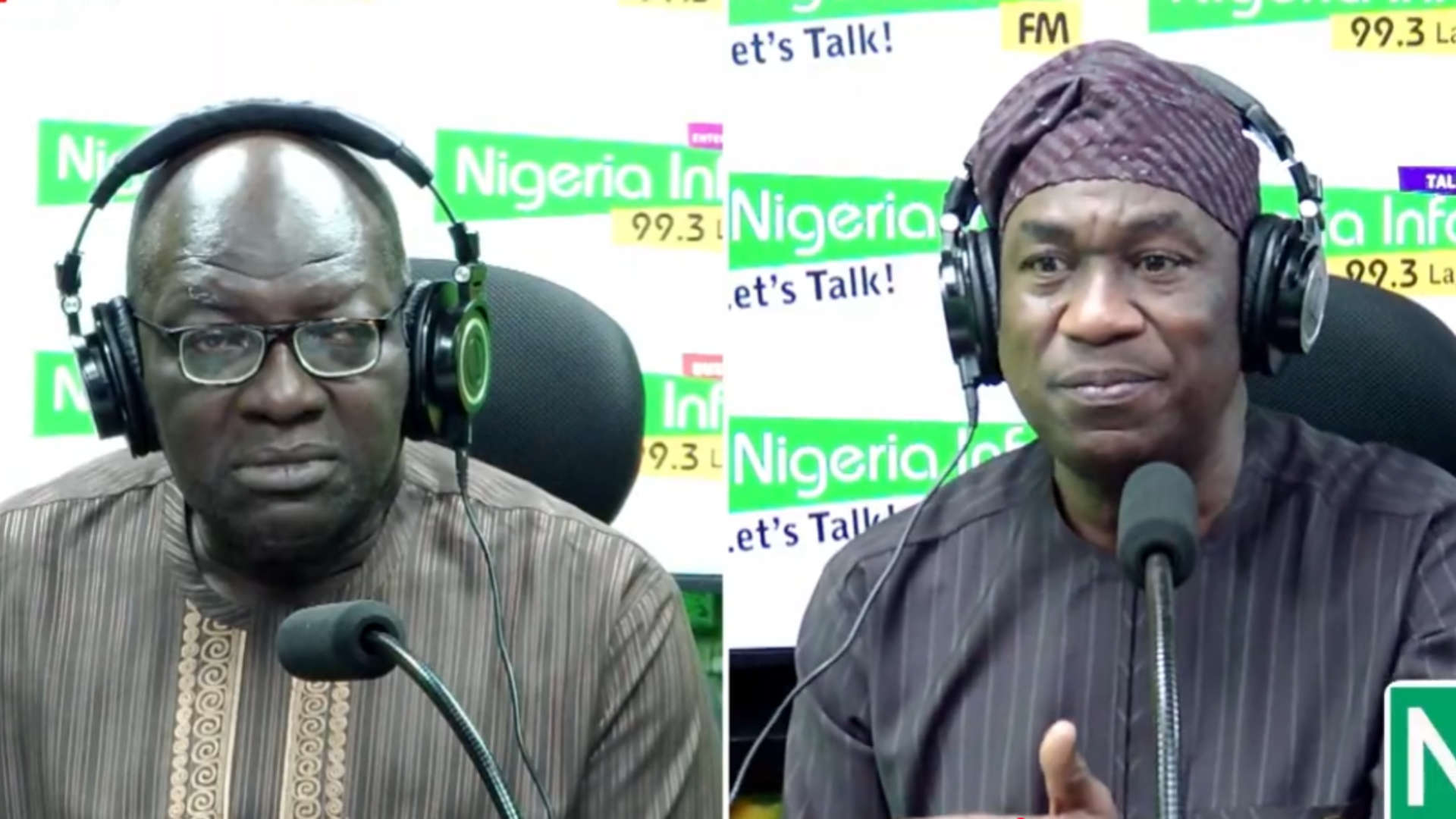
Lagos now generates about 17,000 tons of waste daily, up from an earlier estimate of 13,000 tons, Deputy Governor Obafemi Hamzat has said, highlighting the growing pressure on the state’s waste management system.
Hamzat said the increase has made it harder for the government to accurately plan and manage waste collection across the state, particularly as Lagos continues to experience rapid population growth.
“How do you plan for something you can’t measure?” Hamzat asked, stressing the need for accurate data to effectively manage the state’s waste.
He said the government is also dealing with a shortage of functional waste collection trucks, with some private-sector operators unable to maintain the number of vehicles required under their agreements because of rising operating costs and ageing equipment.
According to Hamzat, Lagos has about 420 private-sector waste operators, known as PSPs, which were expected to operate at least two trucks each.
He said the government has ordered additional vehicles to strengthen waste collection. Each of the state’s 57 local governments and Local Council Development Areas is expected to receive two trucks, totaling 114, while the state government has purchased another 100.
The delivery of the trucks, initially expected in July, has been delayed until September because of logistics challenges, Hamzat said.
He added that the shortage of functional trucks has reduced the number of waste collection trips operators can make, further straining the system.
Hamzat said the government is also exploring ways to convert waste into useful materials and, eventually, energy. But he stressed that effective waste collection and sorting must come first.
“We must, first of all, sort our waste,” he said, explaining that plastics, metals and other recyclable materials could be separated for processing.
He said the state is working with companies on waste conversion and recycling, adding that about 35% of Lagos’ waste could potentially be converted into other useful products.
Hamzat also linked Lagos’ waste and infrastructure challenges to the state’s growing population, saying the government cannot stop Nigerians from moving to Lagos but must ensure that residents comply with the law.
He said people should not be allowed to sleep on streets or under bridges and warned that anyone who destroys public infrastructure, kidnaps residents or commits other crimes would face the law.
The deputy governor also pointed to the vandalism of bridges and other public assets as evidence of a wider need for stronger enforcement and civic responsibility.
He said Lagos is using surveillance cameras and arrests to tackle criminal activity, including incidents along the state’s rail corridors.
Hamzat said the government’s approach must combine enforcement with efforts to improve living conditions, stressing that the poor should be supported rather than simply displaced.
“The essence, no society grows better or improves by killing the poor. Or by destroying the poor. No. It’s to elevate the poor,” he said.
He added that Lagos must enforce its laws fairly while improving infrastructure and public services to cope with the demands of a rapidly growing population.

Comments
Add a comment