
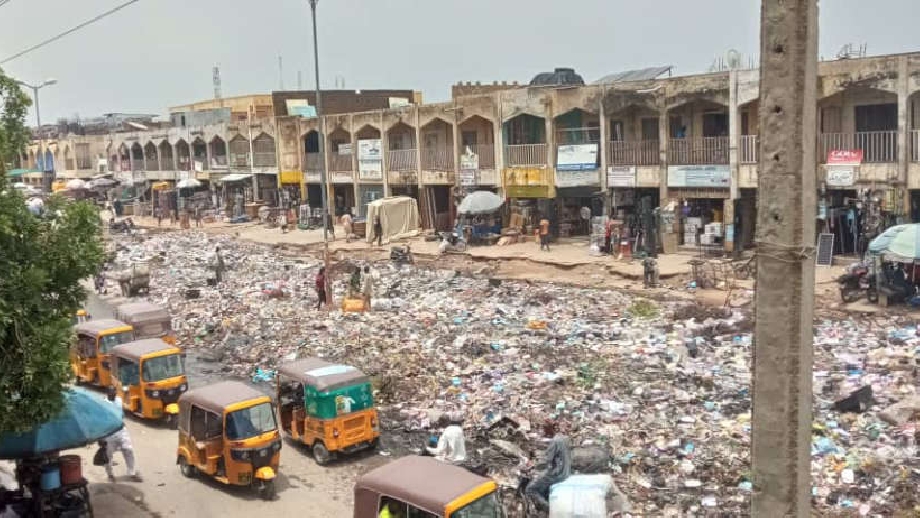
Environmental stakeholders in Lagos State have called for the creation of a dedicated Ministry of Waste Resources to improve waste management and turn refuse into economic opportunities, according to the News Agency of Nigeria.
The call was made by the President and Chief Executive Officer of the Statewide Waste and Environmental Education Programme (SWEEP) Foundation, Obuesi Phillips, who said waste management deserved greater attention from the government.
Phillips proposed a standalone ministry with cabinet-level authority to coordinate policies, improve recycling and promote the recovery of useful materials from waste.
“Waste management is engineering, not patronage,” he said, arguing that the sector required technical expertise, effective leadership and proper planning.
He also called for a dedicated Green Bank to provide loans at single-digit interest rates to businesses involved in recycling and waste-to-wealth projects.
Phillips described dumpsites as emerging “waste mines” that could provide raw materials for industries, create jobs and support economic growth if properly managed.
The proposal comes amid growing concerns about the volume of refuse generated in Lagos, Nigeria's commercial centre.
The Lagos Waste Management Authority has previously estimated that the state generates about 5.46 million tonnes of waste annually, while its 23 million residents continue to place pressure on existing disposal facilities.
At the 6th Lagos Waste Forum, stakeholders also highlighted Nigeria's estimated $250 billion green economy potential, with Lagos generating about ₦18 billion in recycling value in 2021.
Ogun State Commissioner for the Environment, Ola Oresanya, stressed the need for research-based solutions and a technically skilled workforce.
He said environmental challenges required “solutions guided by research, innovation and evidence-based interventions tailored to Nigeria's local contexts.”
Stakeholders urged stronger government, private-sector and community collaboration to expand recycling, improve waste collection and build a sustainable circular economy.

Comments
Add a comment