

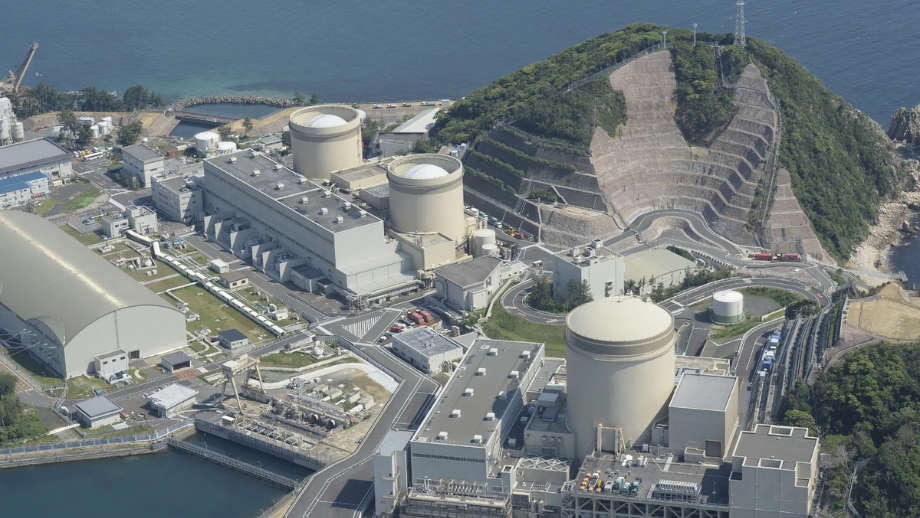
Japan is preparing to restart the Kashiwazaki Kariwa nuclear power plant, the world’s largest by generating capacity, even as safety concerns continue to divide local communities.
Operated by Tokyo Electric Power Company, TEPCO, the facility briefly resumed activity on January 21 before shutting down a day later after an alarm was triggered in its monitoring system. The plant’s head, Takeyuki Inagaki, said the alert was caused by minor electrical fluctuations that remained within safe limits and have since been corrected.
The reactor is now scheduled to restart on February 9, with commercial operations expected to begin on or after March 18, following further inspections. For now, only one of the plant’s seven reactors will return to service.
Kashiwazaki Kariwa has been idle since Japan suspended nuclear operations after the 2011 Fukushima disaster. Its restart is part of the country’s broader strategy to cut dependence on fossil fuels, reach carbon neutrality by 2050 and meet growing energy demand driven by industry and artificial intelligence.
However, the move remains controversial. A September survey in Niigata Prefecture showed about 60 percent of residents oppose the restart, while 37 percent are in support. In January, seven civic groups submitted a petition with nearly 40,000 signatures, warning about the plant’s location near an active seismic fault and pointing to a major earthquake that struck the area in 2007.