

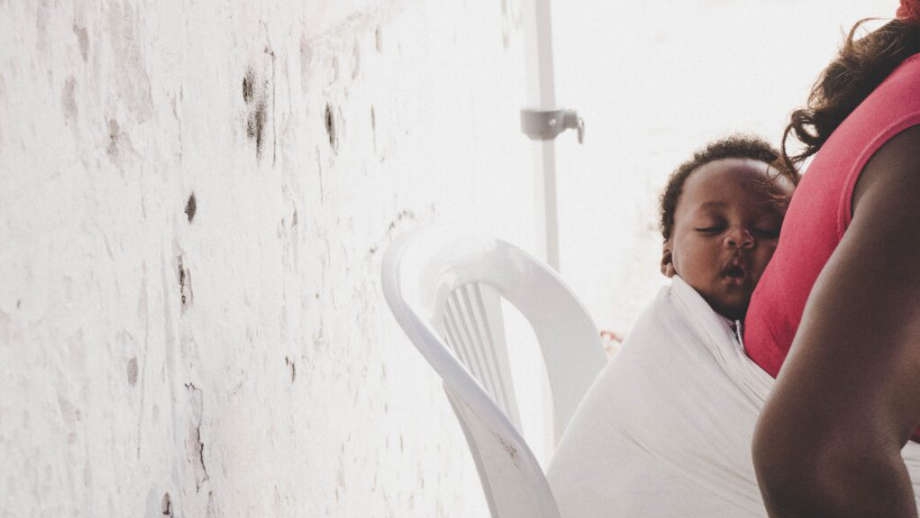
Motherhood is often celebrated with joy, from pregnancy announcements and baby showers to the arrival of a newborn.
But behind the smiles and congratulations, some mothers face silent struggles that are rarely discussed.
For Fatima Murtala, the joy of motherhood soon turned into fear. After childbirth, instead of feeling excited, she experienced anxiety, sadness and confusion she could not explain.
She said the experience left her feeling alone, even with her baby in her arms.
Postpartum depression, or PPD, is a mental health condition that can affect a mother after childbirth.
It commonly develops within the first few weeks after delivery but can occur up to a year after the baby is born.
Nurse Isma’il Ibrahim Abdullahi of the Federal Neuropsychiatric Hospital Dawanau said symptoms may include persistent sadness, loss of interest in activities, fatigue, difficulty bonding with the baby, changes in sleeping patterns, guilt, anxiety and poor concentration.
“PPD goes beyond feeling sad and crying.
"It can make it difficult for a mother to care for herself and her baby.”
The World Health Organisation estimates that postpartum depression affects about 10 to 20 per cent of women globally after childbirth, with higher rates reported in low- and middle-income countries.
Many cases remain undiagnosed.
In Nigeria, studies have reported varying rates, ranging from about 10.7 to 44.39 per cent, highlighting the need for greater attention to maternal mental health.

PPD is also different from the “baby blues”, a mild period of sadness or moodiness that many women experience in the first few days after childbirth and which usually resolves within two weeks.
Unlike the baby blues, postpartum depression is more severe and requires proper understanding, support and, where necessary, professional care.
For Rukayyat Abdulganiyu Tijani, the experience was unexpected.
She described feeling emotionally and physically drained, with persistent sadness and difficulty sleeping.
She said many women experience emotional distress after childbirth but remain silent, either because they do not understand what they are experiencing or are afraid to speak about it.
In Kano State, a 2024 prospective cohort study followed women in three health facilities for 14 weeks after childbirth.
Of the 124 women whose data were analysed, 15.3 per cent developed postpartum depression during the follow-up period.
The finding underscores the fact that postpartum depression is not simply a temporary emotional struggle, but a significant maternal health concern.
According to Nurse Isma’il, cultural beliefs can also affect how postpartum depression is understood, diagnosed and treated.
“Some people see it as a spiritual attack or believe that the woman has weak faith, while others think it is just normal for a woman to experience such feelings.”
Such beliefs can prevent women from seeking professional help.
Some mothers may also remain in denial, refusing to accept that they need help, which can make it even harder for them to speak up.
Nurse Isma’il stressed that mothers need support from their husbands, families and communities during this period.
He encouraged women experiencing symptoms to seek professional help, talk to trusted people, learn healthy ways to manage stress and seek medical attention when the situation becomes difficult to control.
For mothers experiencing postpartum depression, asking for help is not a sign of weakness.
“Postpartum depression is not a death sentence.
"It does not reduce your value as a mother, and it does not make you less of a person.”
Breaking the silence around postpartum depression begins with recognising that maternal health is not only about the physical wellbeing of a mother and her baby.
Her mental and emotional wellbeing matters too.
With understanding, support and appropriate care, mothers experiencing postpartum depression can recover and continue to build healthy, fulfilling lives with their children.

Comments
Add a comment