

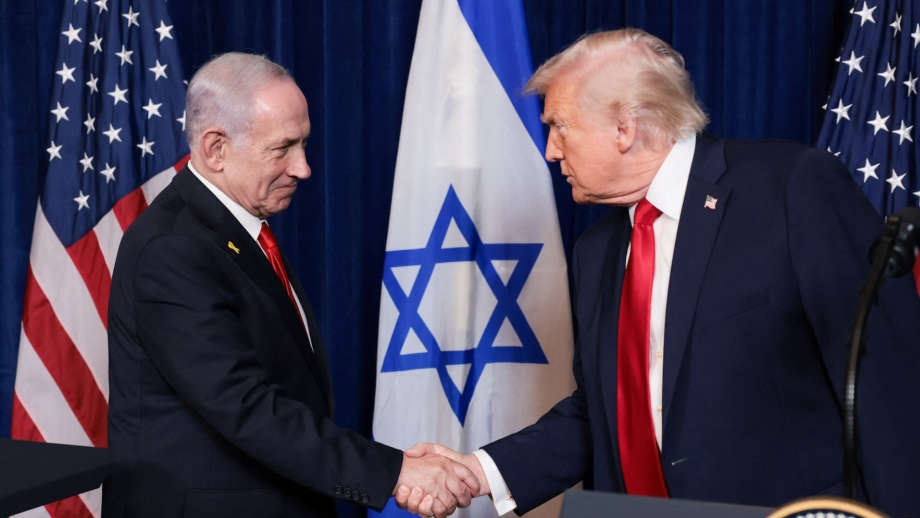
Israel and Lebanon have agreed to extend their fragile ceasefire by three weeks, even as tensions persist with renewed exchanges involving Hezbollah and continued diplomatic uncertainty in the wider Middle East conflict.
The extension was announced on Friday by U.S. President Donald Trump following meetings with ambassadors of both countries, as Washington continues efforts to stabilise the region.
Trump said there was “a very good chance” of achieving lasting peace, noting that the initial ceasefire agreement was due to expire on Sunday. However, he expressed optimism that the extension could open the door to broader negotiations.
Despite the development, hostilities have continued on the ground, with reports of recent Israeli strikes in Lebanon and rocket fire attributed to Hezbollah, which was not part of the Washington-led talks.
Hezbollah has dismissed the ceasefire extension, warning that it reserves the right to respond to further Israeli military actions, while Lebanese lawmakers aligned with the group have criticised the move, describing ongoing strikes as justification for retaliation.
Meanwhile, diplomatic efforts involving the United States and Iran remain stalled, with both sides still at odds over key terms for ending broader regional hostilities.
Trump said there was no urgency on Washington’s part to conclude talks, adding that “the clock is ticking” for Iran as negotiations continue through regional intermediaries.
Iranian officials have held separate consultations with Pakistani leaders as part of ongoing diplomatic engagements aimed at de-escalation, while discussions also continue around strategic maritime routes such as the Strait of Hormuz, a key global energy corridor.
Despite diplomatic activity, no breakthrough has been announced, and tensions remain high across multiple fronts in the Middle East.