
The Kano State government has warned that the spread of misinformation during disease outbreaks can cause panic and may be more harmful than the disease itself.
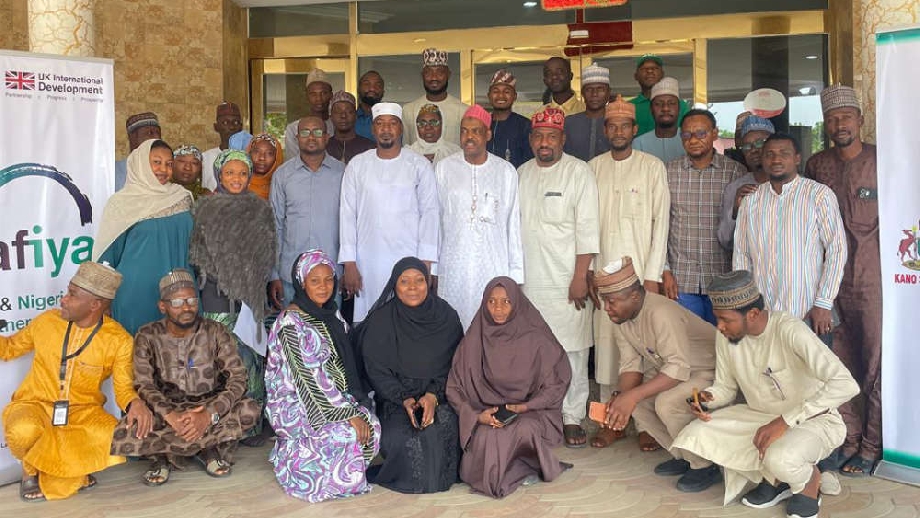
The State Commissioner for Health, Dr Abubakar Labaran Yusuf, gave the warning at a workshop on developing a media-focused Emergency Risk Communication Plan for Kano State, held in Kaduna.
“Sharing wrong information during an emergency can create fear and confusion, and in some cases, it can be more destructive than the disease,” Dr Labaran said.
He stressed that patients have a right to privacy and dignity, urging journalists to uphold professional ethics when reporting health-related stories.
“Patients have the right to confidentiality. Journalists must seek consent before releasing sensitive health information, especially in cases like HIV,” he said.
The commissioner also advised caution in reporting suspected cases of infectious diseases such as Lassa fever and rabies.
“In cases of suspected Lassa fever or rabies, the affected person and their family should be informed first. This allows early detection of symptoms and proper response before the story is made public,” Dr Labaran explained.
He further emphasised the need for early diagnosis of both communicable and non-communicable diseases to stop their spread and reduce their impact on the public.
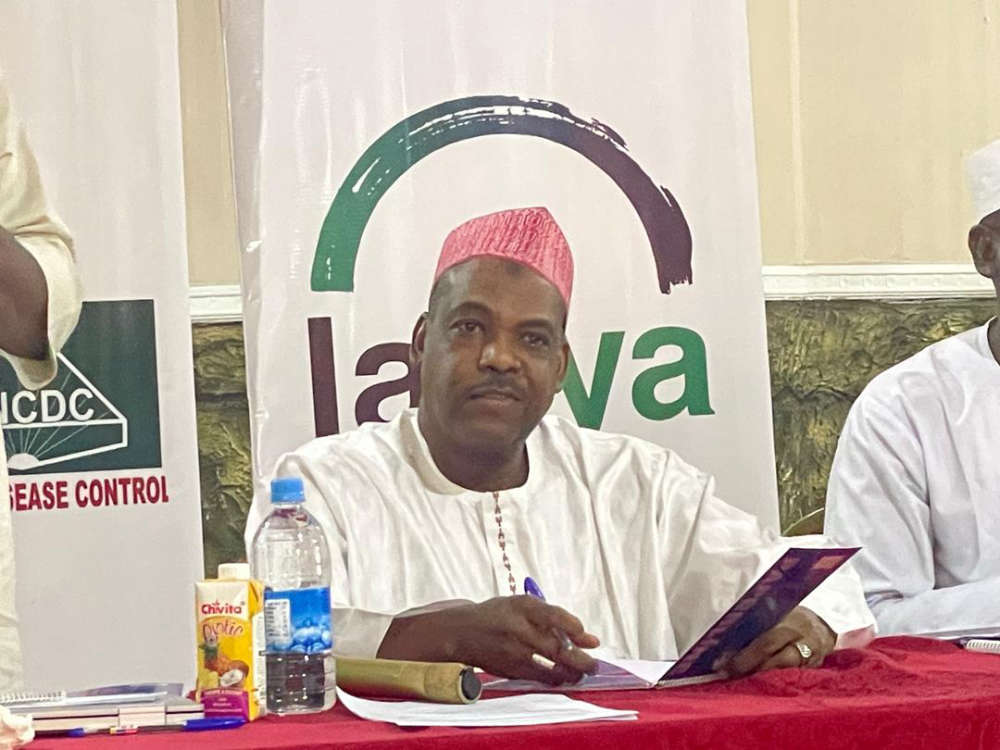
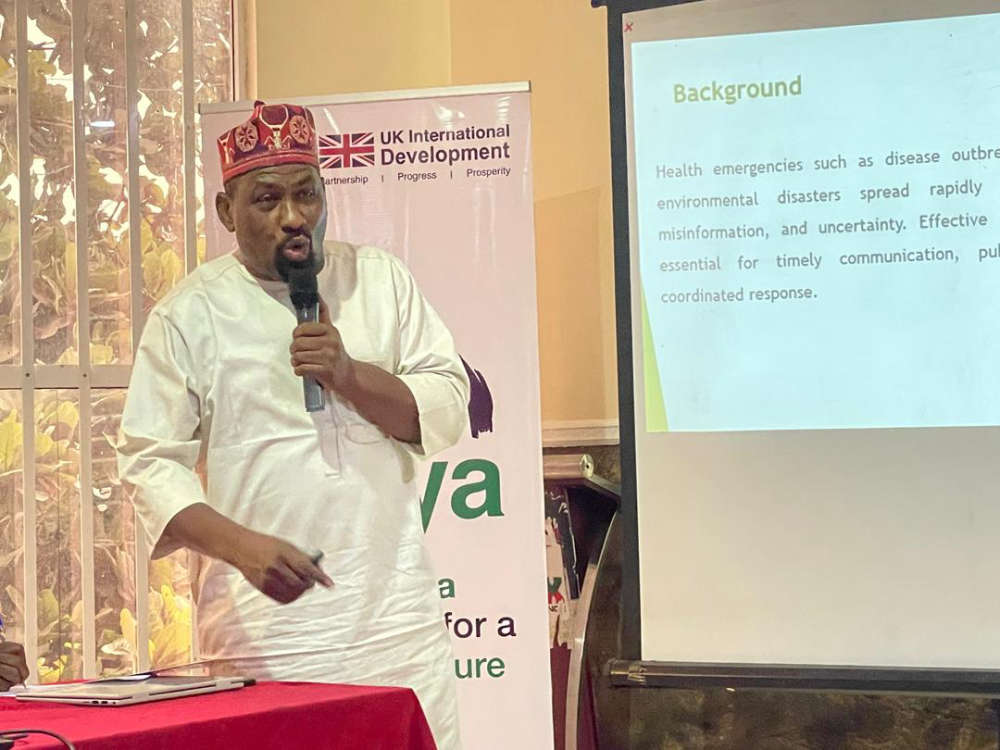
Dr. Abubakar Labaran, Kano State health commissioner Prof. Muhammad Adamu Abbas, Director General of the Kano State Centre for Disease Control
Also speaking, the Director General of the Kano State Centre for Disease Control (KNCDC), Prof. Muhammad Adamu Abbas, said the workshop was organised with support from the FCDO–Lafiya Programme to address gaps identified in Risk Communication and Community Engagement during recent health assessments.
“This workshop became necessary following the identification of critical gaps in risk communication and community engagement during the Joint External Evaluation and multi-hazard preparedness assessment,” Prof. Abbas said.
He described the media as a key partner in managing public health emergencies.
“The media must help prevent the spread of false information and panic, correct myths and harmful practices, and promote evidence-based decision-making. This is how we build public trust in official health guidance while countering rumours and misinformation.”
Prof. Abbas added that journalists should help promote preventive behaviours such as hand hygiene, safe food practices, vaccination, and environmental sanitation.
“The media should also reinforce public health advisories, emergency measures, and support compliance with response strategies,” he added, while stressing the need to avoid unverified reports and maintain ethical communication.
According to a report by KNCDC, Kano State has recorded several public health outbreaks in recent years, including Lassa fever, diphtheria, cholera, Mpox, and the Dan Tsami chemical outbreak.
The report also identified cholera, Lassa fever, substance abuse, phone snatching, rabies, flooding, diphtheria, avian influenza, road traffic accidents, terrorism, and food poisoning as major risks for contingency planning in the state.
Commenting on the broader impact of outbreaks, the State Infection Prevention and Control Officer, Habu Muhammad, said disease outbreaks often come with serious social and economic consequences.
“Outbreaks have economic implications, including loss of productivity and disruption of trade. The stigma associated with some diseases can also lead to discrimination and social isolation,” he said.
Habu added that the state has created a calendar to track the periods when such health challenges usually occur.
“We have developed a calendar to identify when these problems often start, so we can prepare early and address them effectively,” he said.
On her part, the Monitoring and Evaluation Officer, Halima Mukhtar Abubakar, who presented a paper on disease detection from first signal to official alert, urged journalists to always verify information before publication.
“Journalists must fact-check with relevant authorities and avoid speculation by sharing accurate and timely information,” Halima said.