

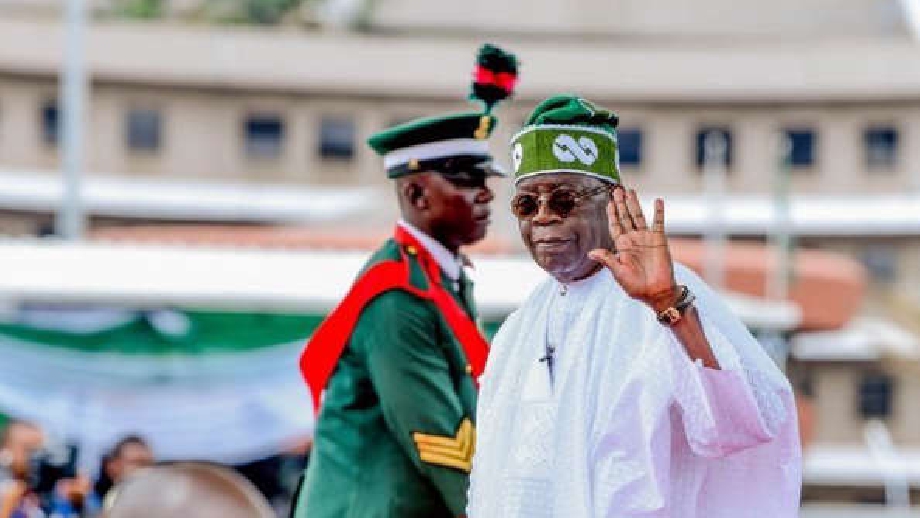
The Presidency has defended President Bola Tinubu's economic reforms, rejecting criticisms by former Vice President Atiku Abubakar as misleading and based on outdated data.
In a statement issued on Sunday, Special Adviser to the President on Information and Strategy, Bayo Onanuga, said Atiku's assessment relied on 2024 figures and failed to reflect changes recorded in Nigeria's economy by 2026.
Onanuga said the reforms, though initially painful, had boosted Nigeria's economy, with dollar-denominated Gross Domestic Product (GDP) rising from about $253 billion to $377 billion, while naira GDP increased from ₦314 trillion to ₦530 trillion.
He also dismissed claims of reckless borrowing, noting that Nigeria's debt-to-GDP ratio remained around 40 per cent, while the debt service-to-revenue ratio had dropped from nearly 100 per cent in December 2022 to less than 60 per cent under the current administration.
The Presidency further defended the removal of fuel subsidy, saying it had increased allocations to states and local governments, enabling greater investment in infrastructure, healthcare, education and social programmes.
On tax reforms, Onanuga said the measures were designed to reduce the burden on low-income earners and small businesses, while ensuring wealthier individuals and profitable companies contributed more.
He also highlighted government investments in healthcare, education and infrastructure, including the revitalisation of over 3,000 primary healthcare centres, the retraining of more than 78,000 health workers, and the disbursement of over ₦303 billion in student loans through the Nigerian Education Loan Fund to more than 1.64 million students.
Responding to Atiku's claim of an undeclared ₦7.98 trillion oil windfall, Onanuga described the allegation as flawed, arguing that oil revenue could not be calculated solely by crude prices and production volumes without considering production costs, contractual obligations and other factors.
He maintained that the administration's reforms had placed Nigeria on a more sustainable fiscal path and expressed confidence that inflation would continue to ease before the end of the year.

Comments
Add a comment