

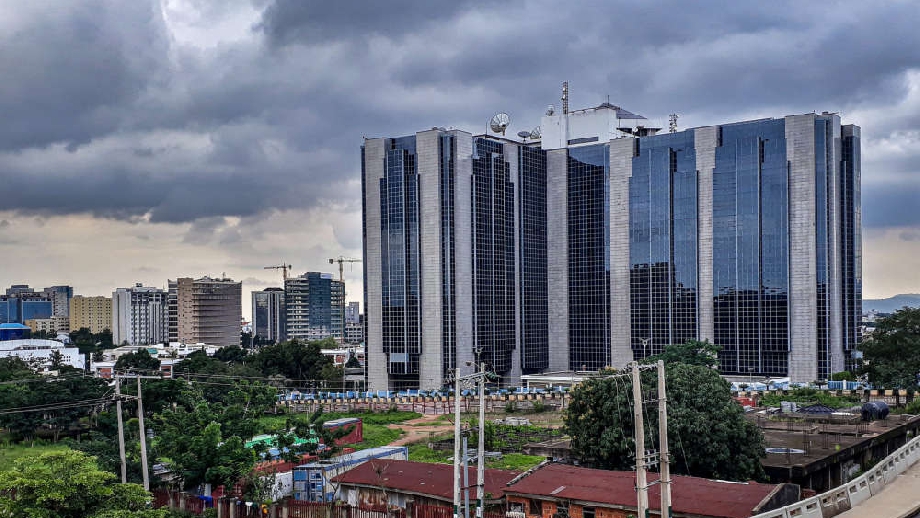
The Central Bank of Nigeria has restricted access to banking services for chronic loan defaulters and large-ticket obligors with non-performing loans, in a move aimed at strengthening credit discipline and protecting the financial system.
The directive follows remarks by CBN Governor Olayemi Cardoso at the 4th Annual IMF/AFRITAC West 2 High-Level Executive Forum in Abuja, where he said the era of regulatory forbearance for delinquent borrowers is over.
Under the new policy, affected borrowers will be denied access to key banking instruments, including letters of credit, performance bonds and other financial guarantees, to curb what the bank described as “credit jumping.”
The CBN said the measure is designed to instill a culture of repayment and safeguard depositors, noting that unpaid large-scale loans have long posed risks to banking sector stability.
“By curbing access to banking services for chronic defaulters, we are reinforcing the culture of repayment, protecting depositors, and safeguarding the stability of the financial system,” the bank said in a statement.
Cardoso also reaffirmed the bank’s commitment to orthodox monetary policy, emphasizing a shift toward price stability, policy credibility and disciplined financial regulation.
For years, Nigeria’s banking sector has grappled with large-scale loan defaults by high-profile individuals and corporations, often referred to as large-ticket obligors, whose unpaid debts threaten liquidity and public confidence in the system.