

The Federal Government says it will institutionalise the National Learning Assessment every three years as part of efforts to reduce learning poverty and improve education quality across Nigeria.
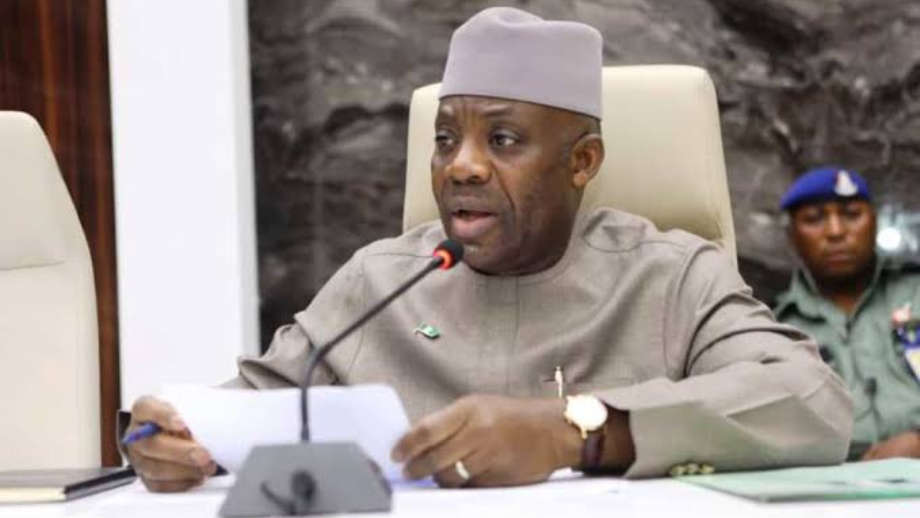
Minister of Education, Tunji Alausa, announced the policy on Friday after monitoring the 2026 National Learning Assessment in selected public and private schools in the Federal Capital Territory.
He said the assessment, which covers Primary Three, Primary Five, Junior Secondary School Two and Senior Secondary School Two learners, measures literacy, numeracy and cognitive skills.
Alausa said the assessment would become a routine exercise every three years, with the Universal Basic Education Commission directed to make budgetary provision for future exercises beginning in 2029.
He noted that the exercise would provide reliable data to guide education policies and interventions aimed at addressing learning poverty.
The minister said the decision followed concerns over the country's learning crisis, noting that previous data showed more than 42 million Nigerian children were unable to read age-appropriate texts by the age of 10.
He expressed confidence that ongoing reforms would improve learning outcomes through evidence-based policymaking.
Alausa also announced that the Federal Government had harmonised multiple learning assessment frameworks into a single national system to ensure consistency and enable comparisons over time.
He said the initiative forms part of the Nigeria Education Sector Renewal Initiative under President Bola Tinubu's education reform agenda.
The minister commended private schools for expanding access to education but stressed the need for stronger regulation to ensure compliance with minimum standards.
He also praised the learning environment in the schools visited, while FCT education officials said more than 120 public schools had been renovated to support improved teaching and learning.

Comments
Add a comment