

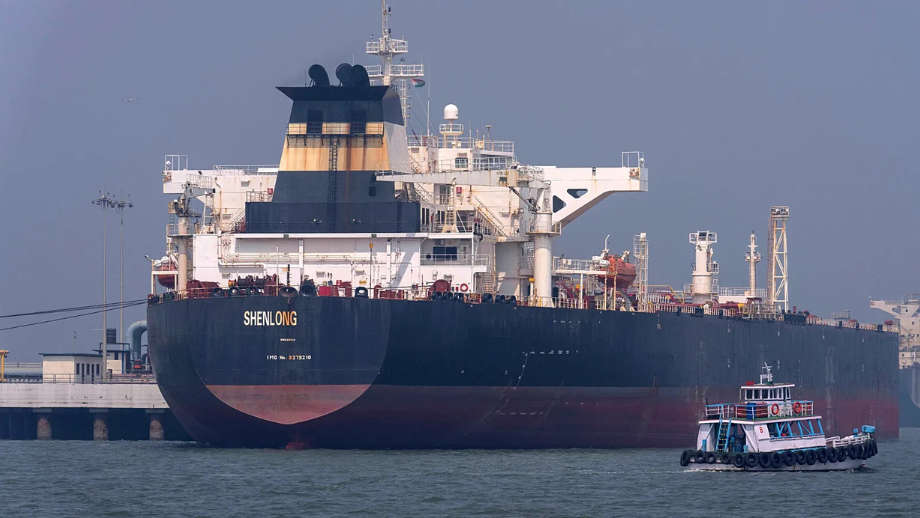
Tensions between Iran and the United States have escalated as Iran announced renewed restrictions on the Strait of Hormuz, citing continued US naval pressure on its shipping.
Iranian military officials said the vital oil transit route has “returned to its previous state” of strict control.
The move comes in response to what Tehran describes as a US blockade of its ports.
The Islamic Revolutionary Guard Corps (IRGC) warned that any violations by the US would be met with an “appropriate response,” signalling the fragile nature of the current ceasefire conditions in the region.
Meanwhile, Donald Trump insisted the US naval blockade would remain in place until a comprehensive agreement with Iran is finalized.
His comments have drawn criticism from Iranian officials, including Deputy Foreign Minister Saeed Khatibzadeh, who accused Trump of sending mixed signals and escalating tensions through inconsistent statements.
Despite earlier assurances from Iran’s Foreign Minister Abbas Araghchi that the strait was open for commercial vessels, conflicting messages have created uncertainty in global shipping markets.
Some ships have cautiously resumed transit, while others remain hesitant amid fears of mines, toll impositions, or interception.
Analysts warn that the fluctuating status of the strait could undermine already fragile diplomatic efforts.
The waterway, a critical artery for global oil supply, is increasingly being used by Iran as leverage in negotiations, including demands for sanctions relief and broader security guarantees.
The developments come alongside a 10-day ceasefire in Lebanon, where thousands of displaced civilians are returning home after weeks of conflict.
However, uncertainty across the wider region persists, with ongoing diplomatic efforts led by countries including Pakistan, Saudi Arabia, and Turkiye yet to produce a lasting resolution.
With both sides maintaining hardline positions, observers say the path to a durable agreement remains unclear, and the risk of renewed escalation cannot be ruled out.

Comments
Add a comment