

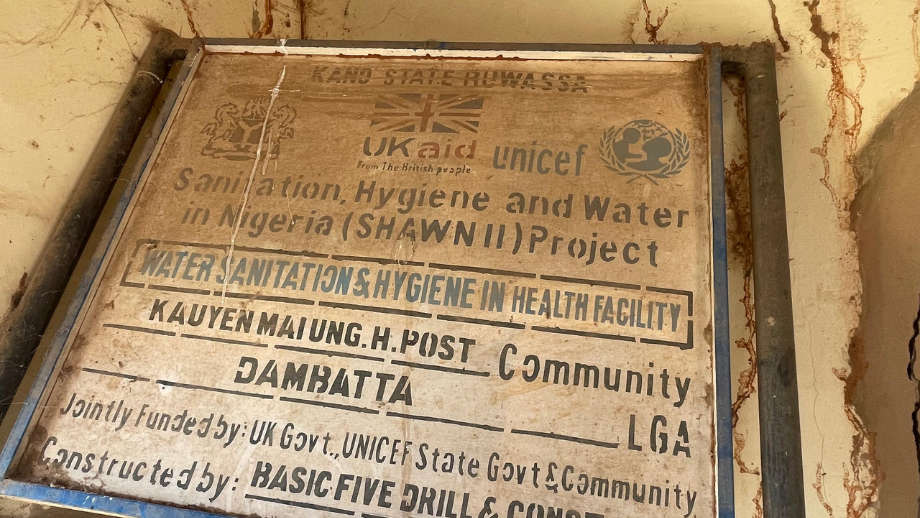
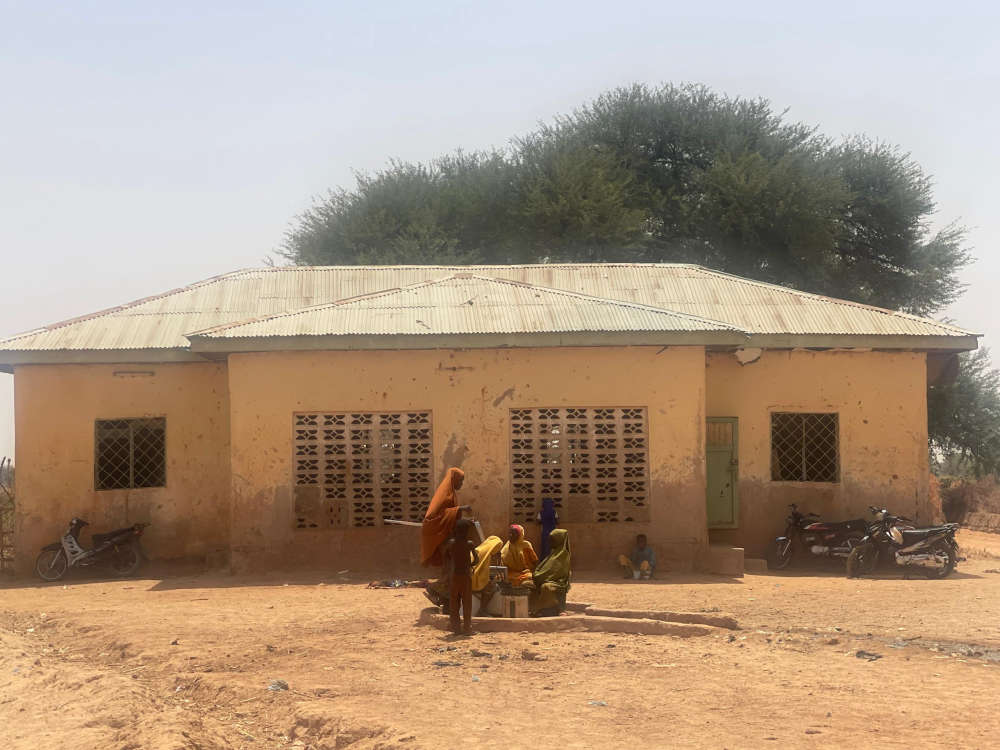
For pregnant women, going into labour should be the final step before meeting their newborns. But in Kauyen Mai Unguwa community, Dambatta Local Government Area of Kano State, it can mean a desperate search for a tricycle or motorcycle to take them to the local government headquarters for delivery.
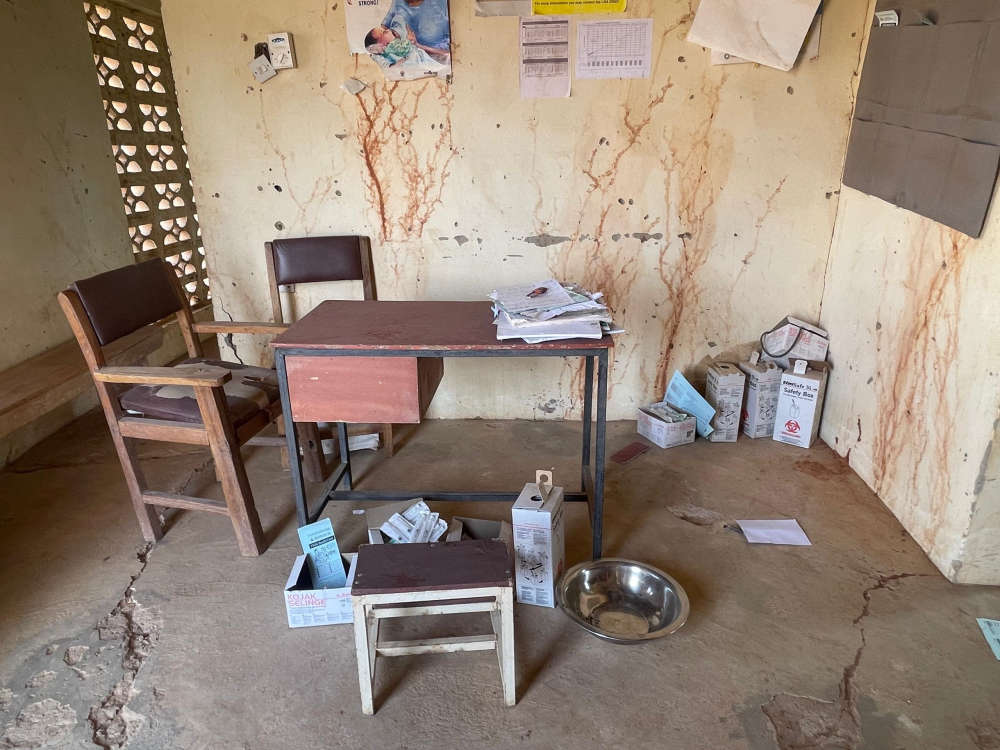
The community’s only health post closes at about 3 p.m. daily and does not conduct deliveries. It also lacks adequate staff, equipment and infrastructure to provide round-the-clock maternal care.
For expectant mothers, the options are limited: travel several kilometres to Dambatta General Hospital, sometimes while in labour, or give birth at home.
Some women have survived the journey. Others have not.
In 2025, Nana Isiyaku, 30, died with her baby after going into labour in the early hours of the morning.
Her husband, Iliyasu Isiyaku, 45, said Nana’s water broke at about 3:30 a.m. and she began bleeding. But the Kauyen Mai Unguwa Health Post had closed several hours earlier.
“My wife’s water broke in the early hours of the morning. She started bleeding, but the health post was closed,” Isiyaku recalled.
He eventually found a vehicle and rushed her to Dambatta General Hospital.
“I managed to find a car and took her to Dambatta General Hospital, but we lost both my wife and the baby before she could give birth,” he said.
A Health in Despair
Nana’s death is not an isolated case, residents say.
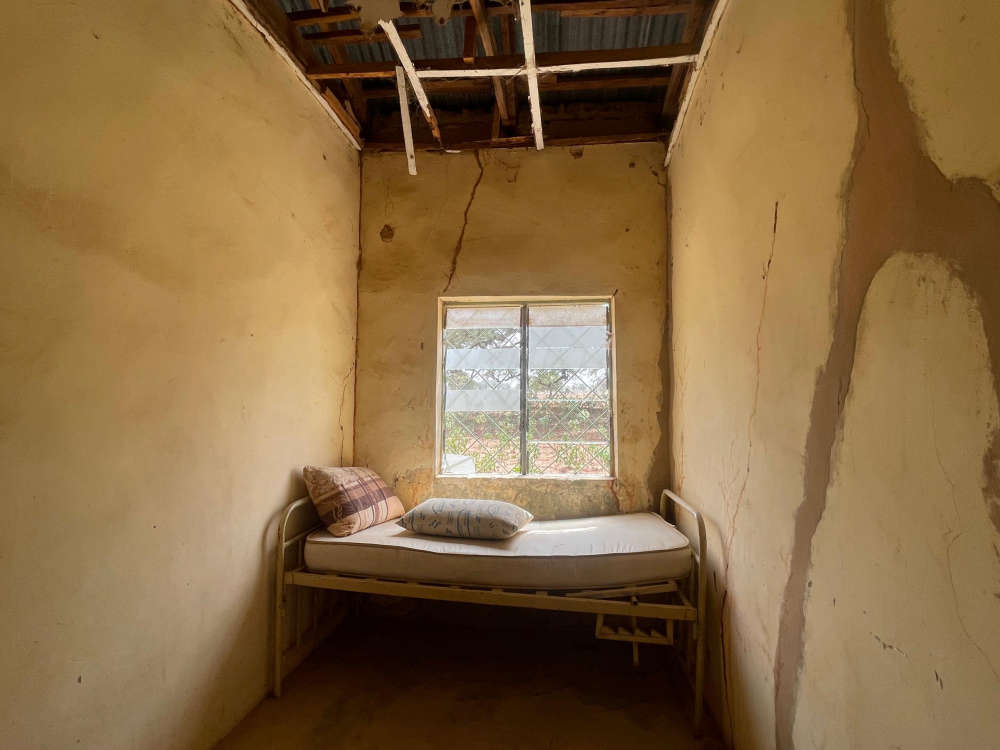
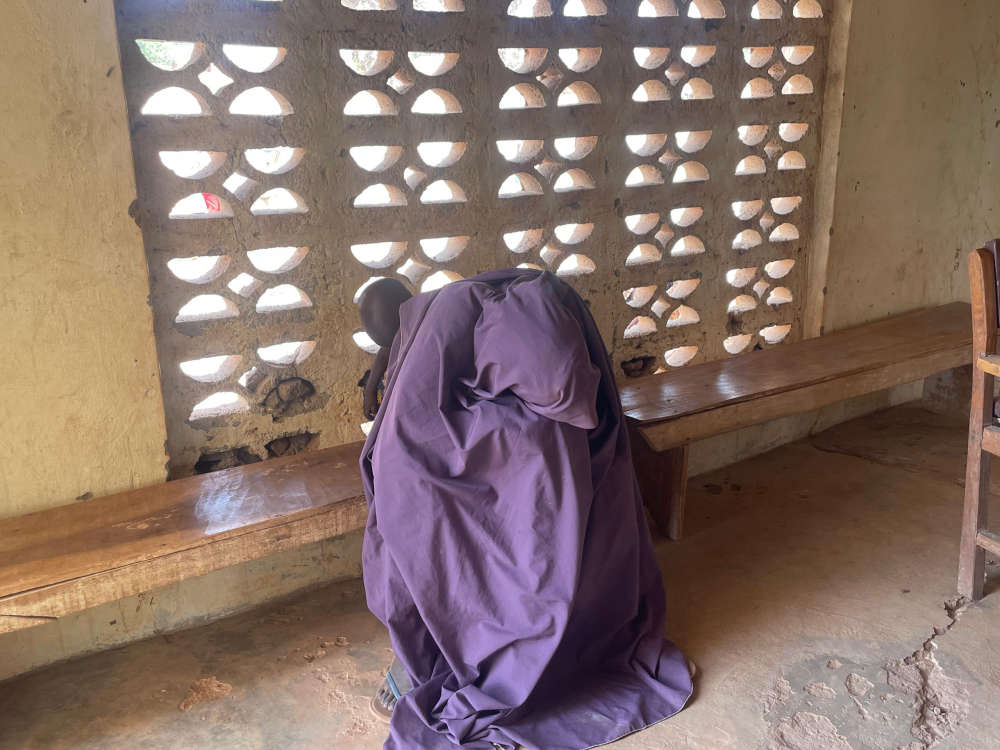
The health post, built about two decades ago, is now in poor condition. Cracks run through its walls, sections of the ceiling are damaged, and bat droppings litter parts of the building.
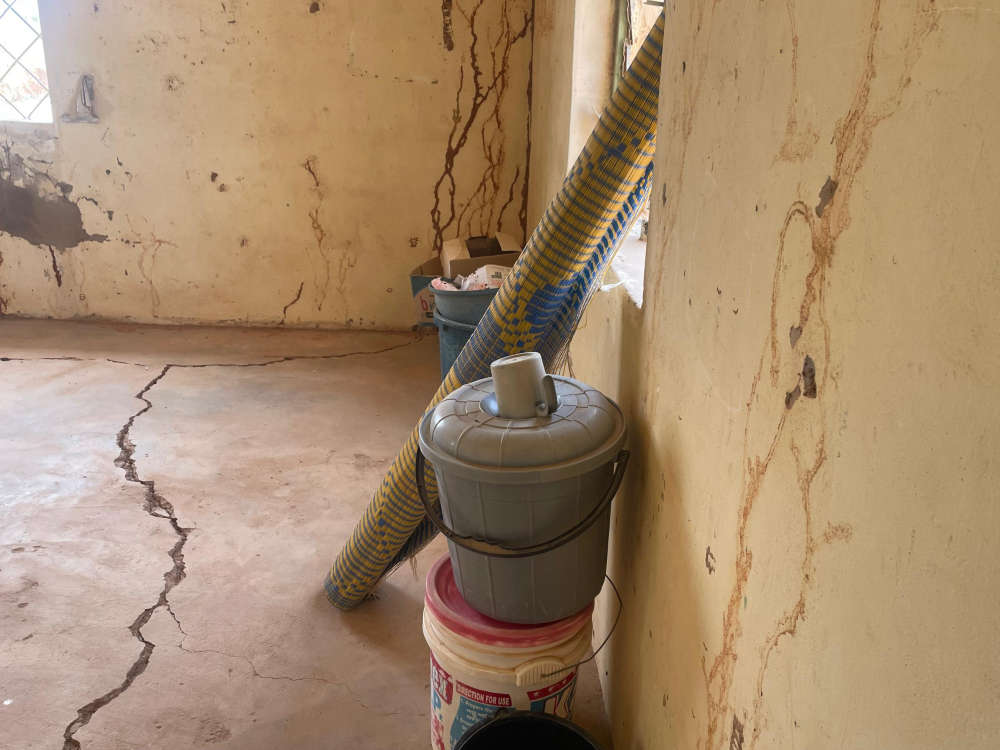
For Zainab Jamilu, 25, who gave birth in June, the condition of the building almost became a personal tragedy.
“While I was attending antenatal care, part of the ceiling collapsed on me. It was frightening, but I escaped without injury,” she said.
The incident frightened other women in the community.
Rabi Garba, 28, an expectant mother, said she became afraid of attending antenatal care at the facility after witnessing what happened to Ms Jamilu.
“I am afraid that the ceiling could collapse again,” she said.
Rabi said she would consider going to Dambatta General Hospital when labour begins, although the journey is difficult.
“If my water breaks, I may have to go to Dambatta General Hospital or seek help from a traditional birth attendant,” she said.
The health post operates for only about four to five hours a day and does not provide delivery services, despite serving pregnant women from Kauyen Mai Unguwa and neighbouring communities.
Many women therefore travel by tricycle or motorcycle to Dambatta General Hospital when labour begins.
For some, residents said, the alternative is a home delivery.
Community Seeks Intervention
The Kauyen Mai Unguwa Development Association has also tried to encourage residents to use the health facility.
Its chairperson, Atiku Sulaiman, said the association bought 1,000 hospital cards to encourage residents to seek medical care.
“We bought 1,000 hospital cards because we wanted more people to use the health facility,” Sulaiman said.
He said the association had repeatedly appealed to government authorities to address the condition of the facility.
“We have written to the authorities several times, but the condition of the health post has remained the same,” he said.
The Ward Head of Kauyen Mai Unguwa, Garba Alhassan, said the lack of equipment and delivery services forces pregnant women to leave the community when labour begins.
“Our pregnant women have to travel to Dambatta because this facility cannot handle deliveries,” Mr Alhassan said.
“We appeal to the government to upgrade it so it can operate 24 hours a day.”
Poor Conditions Affect Attendance
Sani Bashiru Mukhtar, a volunteer health worker at the facility, said the condition of the health post has affected attendance.
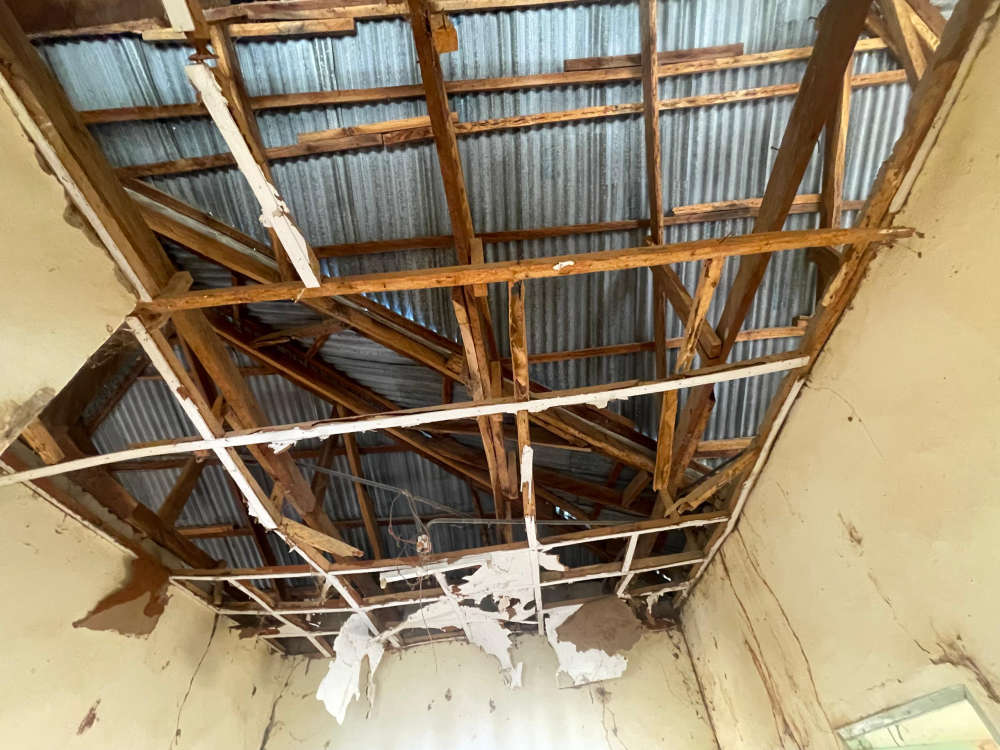
“Many women no longer come regularly because of the condition of the health post. Sometimes medicines expire because there are not enough patients to use them,” he said.
The situation also raises questions about whether the facility meets the basic requirements for a Primary Healthcare Post.
The National Primary Health Care Development Agency (NPHCDA), says a standard primary healthcare post should have essential facilities, including appropriate rooms, netted windows, functional toilets, access to clean water, electricity and fencing.
Checks show that the Kauyen Mai Unguwa facility falls short in several of these areas.
Nigeria's Maternal Health Burden
The condition of the facility comes amid Nigeria’s wider maternal and child health crisis.
On 24 September 2024, the National Primary Health Care Development Agency said Nigeria loses about 2,300 children under five and 145 women of childbearing age every day.
Kano State, however, says its maternal mortality rate has fallen from 1,025 deaths per 100,000 live births to 570 following healthcare interventions.
Despite the reported improvement, residents of communities such as Kauyen Mai Unguwa say more needs to be done to ensure that women can access skilled care when they need it.
Kano's Free Maternal Health Law
The Kano State House of Assembly passed the Free Maternal and Child Healthcare Bill in May 2023, which provides free maternal and child health services.
It also provides for free healthcare for newborns and infants, with coverage extending from birth to 59 months.
But health advocates say full implementation remains a concern.
Ibrahim Zikirullahi, Executive Director of the Resource Centre for Human Rights and Civic Education (CHRICED), said many maternal and child deaths could be prevented if women had timely access to quality healthcare.
“About 80 per cent of deaths during childbirth are preventable,” Zikirullahi said.
CHRICED launched a project in October 2024 to promote social accountability in the implementation of Kano’s Free Maternal and Child Healthcare Law.
“We are happy that the FMNCH law was signed into law, but the challenge now is its actualisation in the state,” he said.
“We believe that once it is fully actualised, it will halt these avoidable deaths in the state.”
‘Only 30% Attend Free Antenatal Services’
The problem is not limited to the condition of health facilities.
The Kano State Government has previously expressed concern over low attendance at antenatal clinics and the preference for home deliveries among pregnant women.
In 2024, the state’s Commissioner for Health, Dr Abubakar Labaran Yusuf, said research by the Ministry of Health showed that more than 70 per cent of pregnant women in the state preferred to give birth at home.
He said only about 30 per cent attended the state’s free antenatal services.
“This administration revived the free maternal and child health programme to address these avoidable deaths, but only 30 per cent of the women attend the free antenatal services,” Dr Labaran said.
He said some women avoid hospitals until they develop complications.
“It is sad that you only see them during complicated labour,” he said.
According to the commissioner, inadequate prenatal planning and delayed access to skilled care contribute to complications, particularly in remote communities.
Government's 24-hour Solution
The state government says it is responding by expanding access to round-the-clock primary healthcare.
Dr. Labaran said the government had upgraded 320 primary healthcare centres across Kano State to provide 24-hour services, with a target of reaching 484 facilities — one in each political ward.
“The upgraded facilities now operate 24 hours a day, making skilled birth attendance and emergency maternal care available at all times,” he said.
“This intervention is helping to reduce maternal and child mortality across the state.”
The government says the upgraded facilities are already providing 24-hour services and contributing to the reduction in maternal and child deaths.
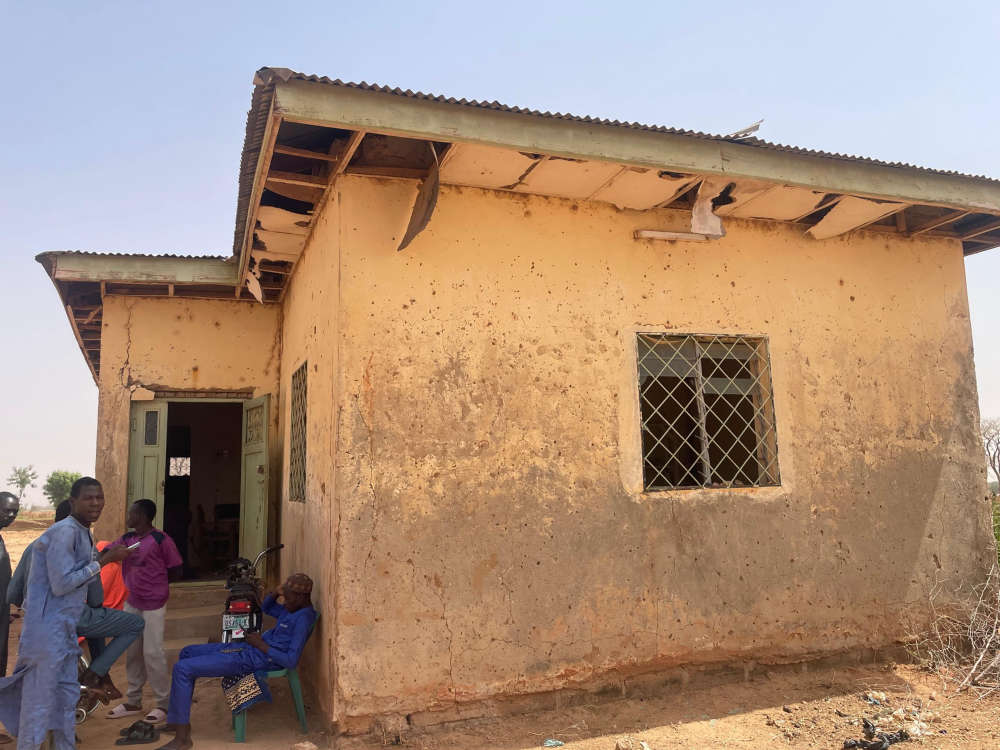
But Kauyen Mai Unguwa residents say their community is still waiting for its turn.
For women in Kauyen Mai Unguwa, residents say having a health facility that operates round the clock could mean getting help in time when labour begins.
For the family of Nana Isiyaku, that help came too late.

Comments
Add a comment