

The Kano State Government says it treated 28,169 tuberculosis (TB) patients in 2024, the highest number recorded by any state in the country, out of 33,961 cases documented within the year.
The Commissioner for Health, Dr Abubakar Labaran Yusuf, disclosed this on Tuesday during a press briefing to mark World Tuberculosis Day 2026, themed “Yes! We Can End TB.” He said the figure reflects improved case detection and access to treatment across the state.
According to him, “tuberculosis remains a major public health concern globally and locally.” He cited recent global reports showing that about 10.7 million people developed TB worldwide, with about 1.23 million deaths, a slight decline from previous figures.
He added that Nigeria ranks sixth among the 30 high TB burden countries and first in Africa.
Dr Labaran noted that Kano State, being the most populous state in Nigeria, is also among the six states with the highest TB burden. He said this makes sustained investment in prevention, early detection, and treatment critical to reducing transmission and deaths.
He explained that TB is an airborne disease that spreads easily when an infected person coughs or sneezes. He urged residents to seek medical attention if they experience symptoms such as a persistent cough, excessive sweating, and severe weight loss
He warned that “a single untreated patient can infect between 10 and 15 people within a year if proper care is not taken.”
To tackle the disease, the commissioner said “The state has expanded access to care through 1,391 health facilities providing TB services.”
He added that the government has renovated Yadakunya Leprosarium and General Hospital to strengthen treatment capacity and improve patient outcomes.
Dr Labaran further said new diagnostic machines have been deployed across the state to ensure quicker and more accurate detection of TB cases. He noted that “early diagnosis remains key to breaking the chain of transmission and reducing the burden of the disease.”
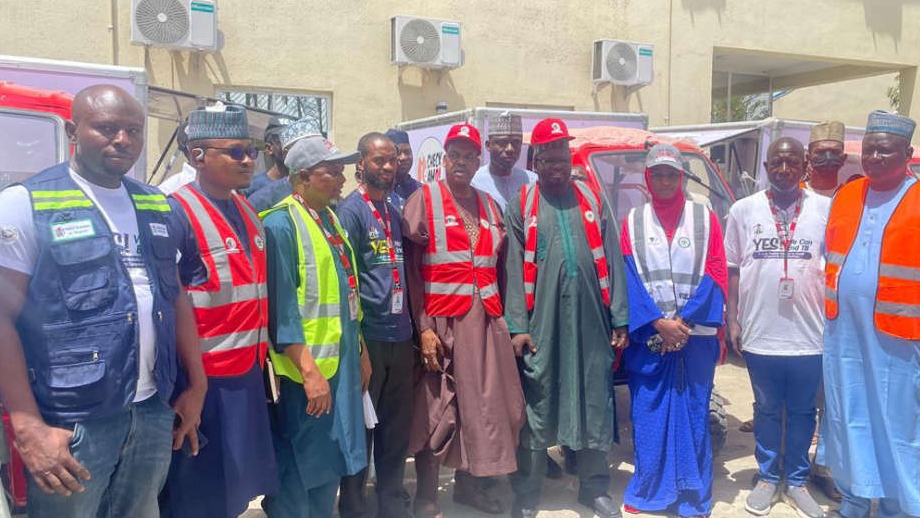
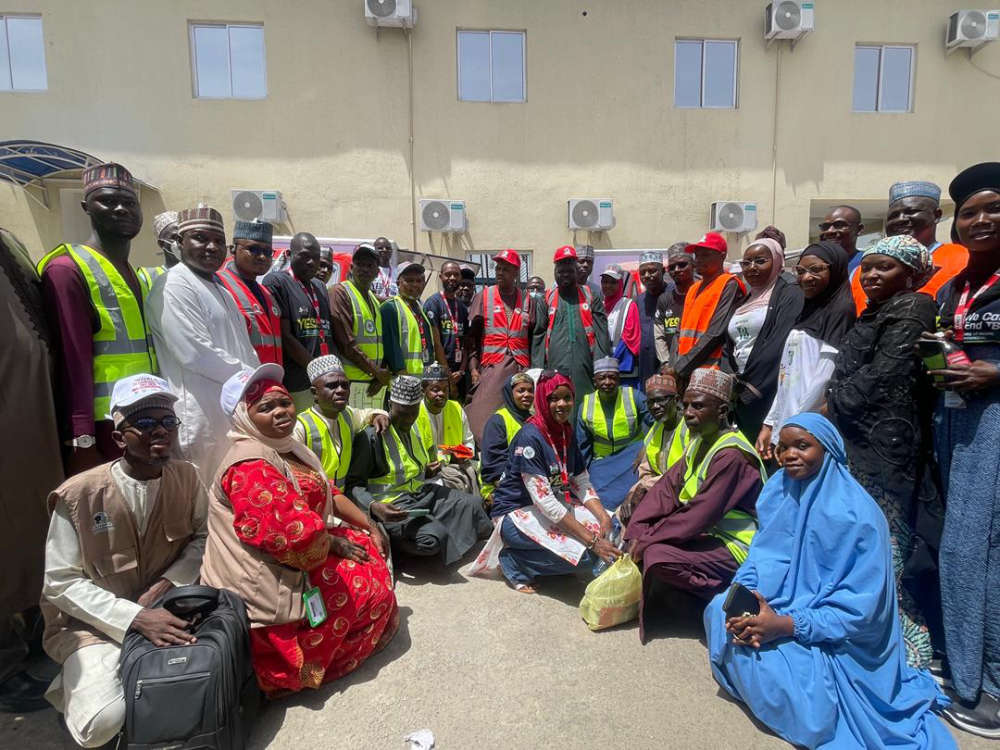
As part of efforts to reach underserved communities, the commissioner said motorcycles have been distributed to health workers to support outreach services, especially in hard-to-reach areas.
He explained that the initiative will help deliver free TB services, including screening and referrals, directly to communities.
He reaffirmed the government’s commitment to ending tuberculosis in the state, stressing that with sustained efforts, improved awareness, and community cooperation, the disease can be controlled and eventually eliminated.