

The Nigeria Centre for Disease Control and Prevention (NCDC) has released alarming data showing that the ongoing 2026 Lassa fever outbreak has so far resulted in 318 confirmed cases and 70 deaths nationwide.
Since the beginning of the year, the outbreak has recorded a 22 per cent case fatality rate.
Speaking at a press briefing on Friday in Abuja, NCDC Director-General Dr. Jide Idris disclosed that a total of 1,469 suspected cases have been recorded across the country.
He emphasised that the outbreak remains serious and that concerted efforts are required to curb the spread.
Dr. Idris outlined that just five states: Edo, Ondo, Taraba, Bauchi, and Ebonyi account for a staggering 91 per cent of all confirmed cases, with only 10 local government areas responsible for 68 per cent of infections.
To strengthen the national response, the NCDC has deployed its National Rapid Response Team to eight reporting states: Bauchi, Ondo, Taraba, Edo, Plateau, Benue, Jigawa, and Plateau, and is working closely with state authorities to improve surveillance, case management, and community engagement.
The agency also expressed concern about infections among frontline health workers.
According to Dr. Idris, 15 healthcare workers have been infected so far this year, a situation attributed to low risk perception and poor infection prevention and control practices in some facilities.
Other challenges highlighted include inadequate contact tracing, delayed care-seeking, and limited funding at the state level for prevention and awareness activities, all factors that could contribute to higher fatalities if not addressed.
Lassa fever is an acute viral haemorrhagic illness endemic in Nigeria and other parts of West Africa.
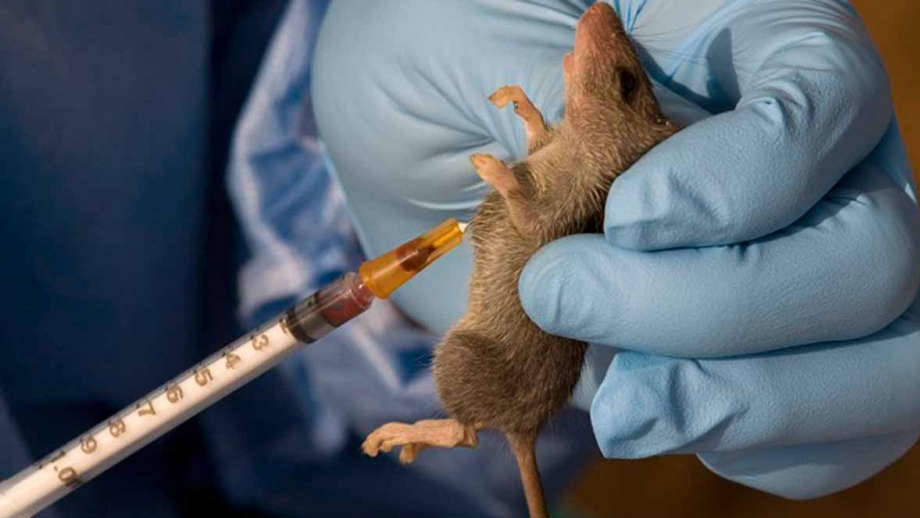
The virus spreads primarily through exposure to food or household items contaminated by the urine or faeces of infected rodents, especially the multimammate rat (Mastomys species).
Dr. Idris urged Nigerians to prioritise environmental hygiene, safe food storage, rodent control, and prompt medical attention for symptoms such as fever, weakness, and nausea.
He also warned against misinformation, which he said could hamper response efforts, citing a false report of an outbreak at a Kwara State NYSC camp.
