

The Nigeria Centre for Disease Control and Prevention, NCDC, has heightened surveillance and reviewed its preparedness measures following the confirmation of an imported Ebola case in Kenya.
The case, caused by the Bundibugyo virus, involved a Kenyan national who had lived in the Democratic Republic of Congo before travelling by road to Uganda and later flying to Nairobi.
The patient was isolated after testing positive but later died, prompting Kenyan health authorities to begin contact tracing and other response measures.
The NCDC says there is no confirmed case of Ebola in Nigeria as of October 6, 2026.
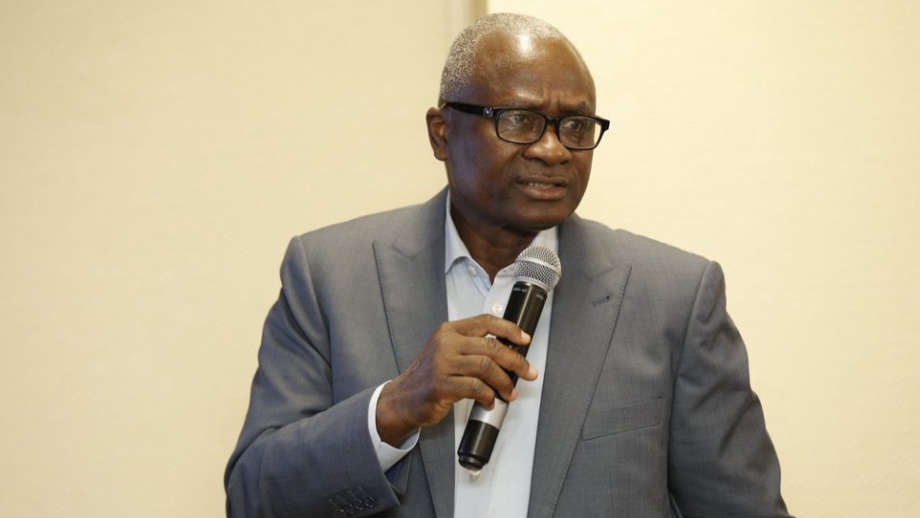
Director-General of the agency, Dr Jide Idris, says Nigeria has been monitoring the Ebola outbreak in the DRC and assessing the risk of international importation, particularly through travel and population movement.
The agency says it has strengthened preparedness in collaboration with the Federal Ministry of Health and Social Welfare, Port Health Services, state governments and other partners.
The measures include early detection and isolation, laboratory testing, infection prevention and control, contact tracing, risk communication and protection of healthcare workers.
The NCDC has also conducted a National Ebola Preparedness Tabletop Simulation exercise to test Nigeria’s response arrangements and identify gaps.
It is urging Nigerians to remain calm but vigilant, practise regular hand hygiene and avoid direct contact with the blood or body fluids of sick people.
Travellers from affected areas have been advised to monitor their health for 21 days after leaving an affected area and immediately contact health authorities if symptoms develop.
The agency says it will continue monitoring developments in Kenya, the DRC and other affected countries while reviewing Nigeria’s preparedness as the situation evolves.

Comments
Add a comment