
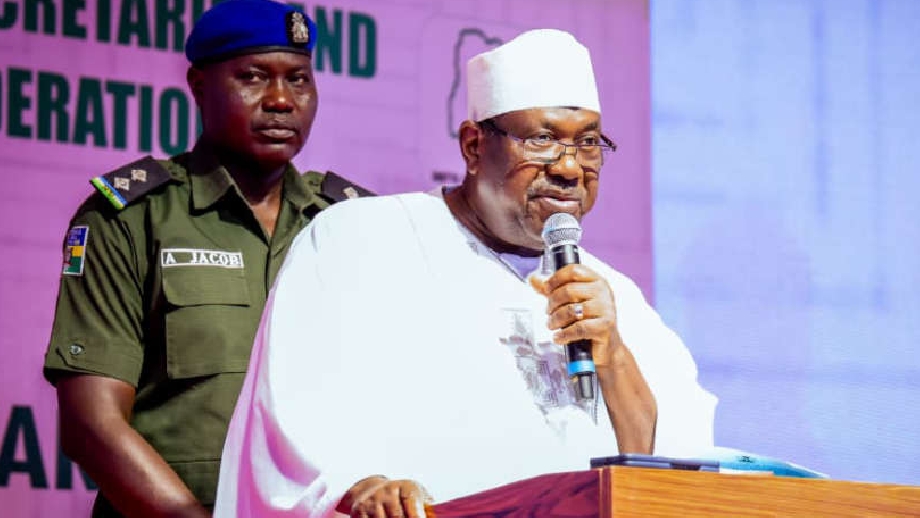
The Federal Government has reiterated its commitment to combating illicit drug use, dismantling trafficking networks, and expanding access to treatment and rehabilitation services across Nigeria.
Secretary to the Government of the Federation, Senator George Akume, gave the assurance on Wednesday at the opening of the National Drug Use Summit in Abuja, themed “Addressing Illicit Drug Use and Trafficking: A Call to National Action.”
Akume, represented by the Permanent Secretary, General Services Office of the Secretary to the Government of the Federation, Dr. Adamu Ibrahim Kana, said the government would continue to support initiatives aimed at protecting Nigerians, especially young people, from the dangers of substance abuse.
He warned that no country could achieve sustainable development when its youth population was threatened by drug abuse and addiction.
“No society can attain lasting peace and prosperity when criminal networks engaged in illicit trafficking continue to undermine its institutions and exploit its vulnerabilities,” he said.
The summit was organised by the National Drug Law Enforcement Agency (NDLEA), the Federal Ministry of Health and Social Welfare, and the United Nations Office on Drugs and Crime (UNODC).
Chairman and Chief Executive Officer of the NDLEA, Brigadier General Mohamed Buba Marwa (rtd), said the summit was convened to create a platform for dialogue and collective action towards developing a coordinated National Action Plan against drug abuse.
Marwa said tackling the drug problem required a whole-of-government and whole-of-society approach involving government agencies, communities, families, private sector organisations, religious and traditional leaders, civil society groups, and the media.
He disclosed that the NDLEA, within the last 18 months, recorded significant achievements in drug control operations, including the arrest of 29,262 suspects, seizure of over 5.3 million kilogrammes of illicit drugs valued at more than N1.5 trillion, and the conviction of 5,225 offenders.
Meanwhile, the Minister of Health and Social Welfare, Professor Ali Pate, urged stakeholders to ensure the summit produces practical outcomes rather than just resolutions.
He said the success of the meeting would be measured by the number of young Nigerians prevented from starting drug use, patients receiving care, and families restored.
The UNODC Country Representative in Nigeria, Cheikh Toure, represented by Dr. Akanidomo Ibanga, commended the collaboration among government institutions, civil society, and development partners.
He said the changing nature of drug use in Nigeria required urgent, coordinated, and evidence-based action.
The two-day summit is being attended by government agencies, security organisations, development partners, non-governmental organisations, and civil society groups.

Comments
Add a comment