

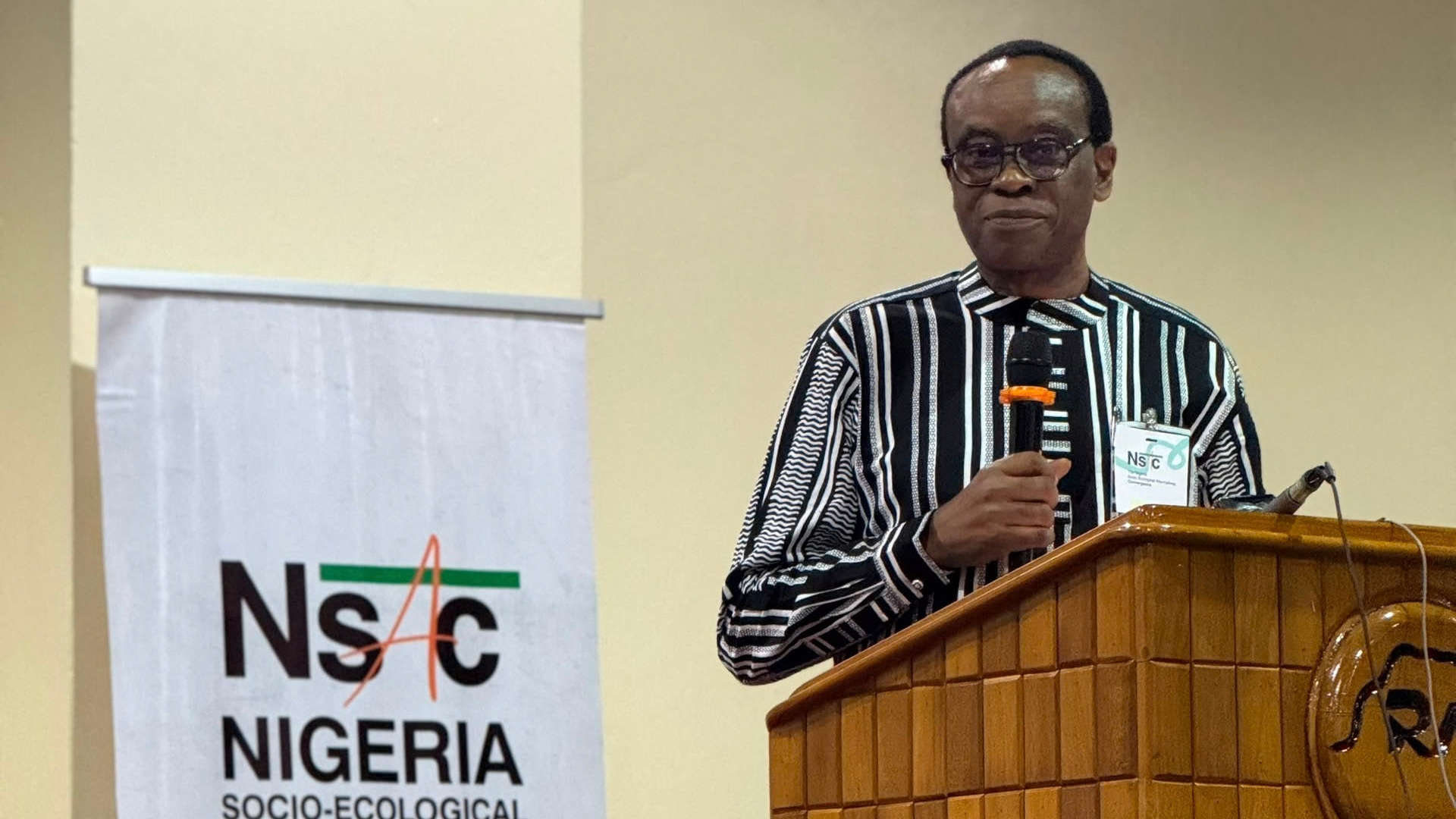
Environmental rights activist Nnimmo Bassey has called for a fundamental rethink of land ownership, natural resource extraction and development policies in Nigeria, arguing that extractivism is disconnecting communities from the land and resources that sustain their lives.
Bassey, Executive Director of Environmental Rights Action in Nigeria and Director of the Health of Mother Earth Foundation, spoke at the foundation’s School of Ecology, a knowledge platform focused on environmental justice, agriculture, resource democracy and socio-ecological transformation.
He said the school was created to provide a space where young people can question established ideas about ownership, development and the use of natural resources.
“Well, the School of Ecology session that we have is primarily to look at commons, care, and the things that belong to us, and the things that must not be privatized or grabbed by individuals or corporate entities, thereby depriving society of their usage,” Bassey said.
He said the school also examines extractivism, which he described as a colonial model designed primarily to remove resources from communities for export.
“Extractivism, as we know it, is a very colonial idea. It's basically about grabbing resources, not for the interests of those in whose territory those resources are found, but for export,” he said.
Bassey cited colonial-era railway networks across Africa, arguing that many were built primarily to connect areas where resources were extracted to seaports rather than to link communities and support local economies.
He said the model was “one-sided” and destructive because it could alienate people from their land, resources and livelihoods.
According to him, young people must develop alternatives to extractivist development and embrace a future based on solidarity, cooperation and collective well-being.
Bassey also criticized Nigeria’s land ownership framework, particularly the Land Use Act, arguing that it conflicts with traditional African concepts of communal ownership.
“The Land Use Act in Nigeria is completely contrary to natural justice,” he said.
Bassey argued that the notion of absolute individual ownership of land was foreign to traditional African systems, where communities historically managed land collectively for shared purposes.
He said the current system could facilitate the privatization and disposal of land, displacement of communities and the loss of livelihoods.
“The land, nobody claiming the ownership of land is an alien idea,” Bassey said, adding that communities should remain connected to the resources that support their lives.
He said the School of Ecology was not designed simply to teach predetermined ideas but to encourage debate and critical thinking.
“Our schools of ecology are sources of knowledge. It's here we bring up ideas, we interrogate ideas, we agree and disagree. It's a learning space,” he said.
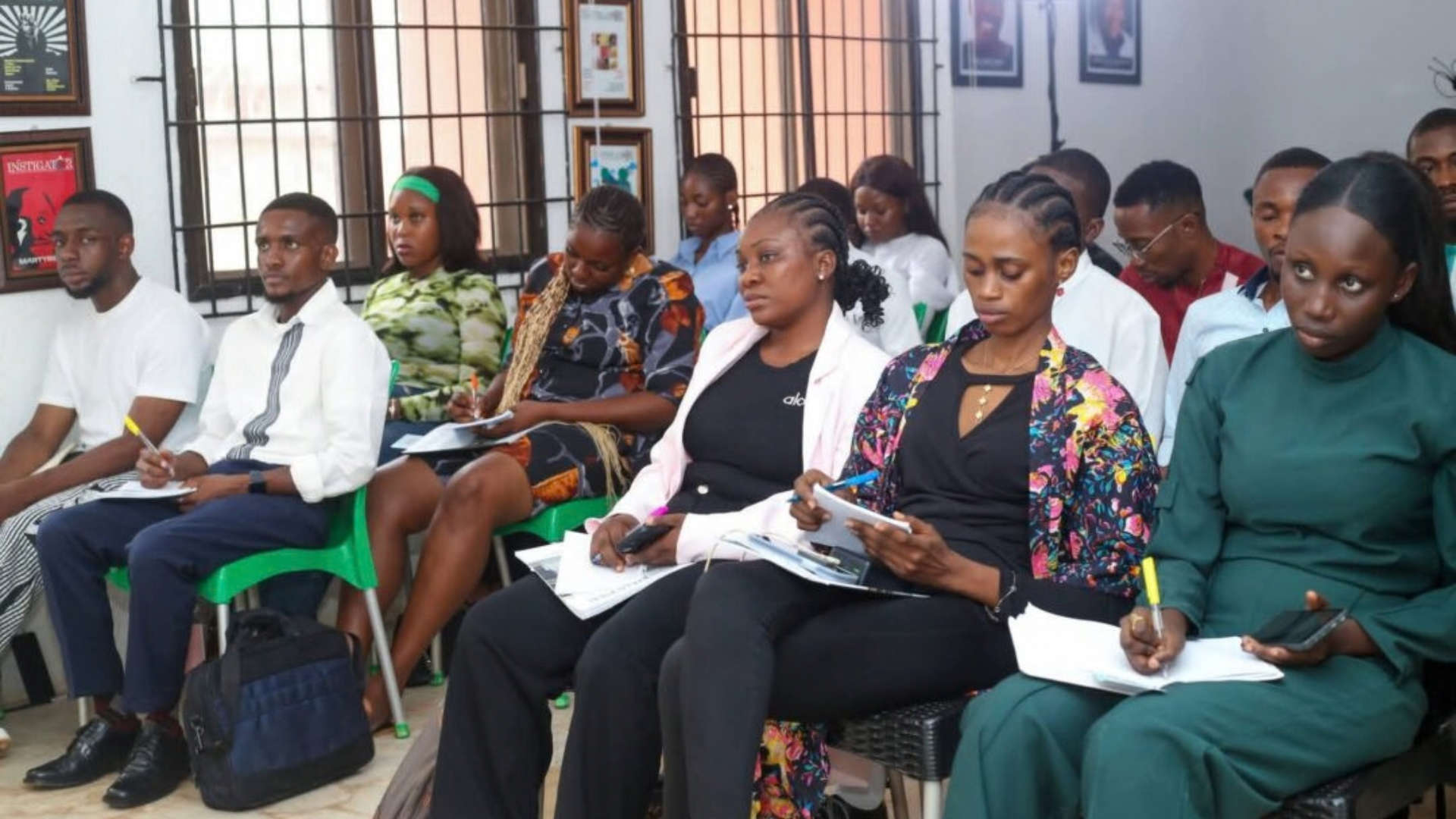
Bassey said the broader objective was to help young people redefine what constitutes a good life beyond competition, accumulation and extractive development.
“A life that's built on solidarity, cooperation, and collective well-being,” he said.
Also speaking, Ken Henshaw, Executive Director of We the People, examined alienation within the political economy of extractivism.
Henshaw identified alienation from land, natural resources, decision-making, livelihoods, culture and identity, as well as the value created through extraction.
He described alienation as a social and political process through which “extractivism turns living territories into commodities.”
The speakers also emphasized the importance of indigenous knowledge, language and culture in protecting ecological knowledge and community identity.
Bassey urged young people to reclaim knowledge and practices that have been lost, saying, “Be bold to retrieve what has been lost.”

Comments
Add a comment