

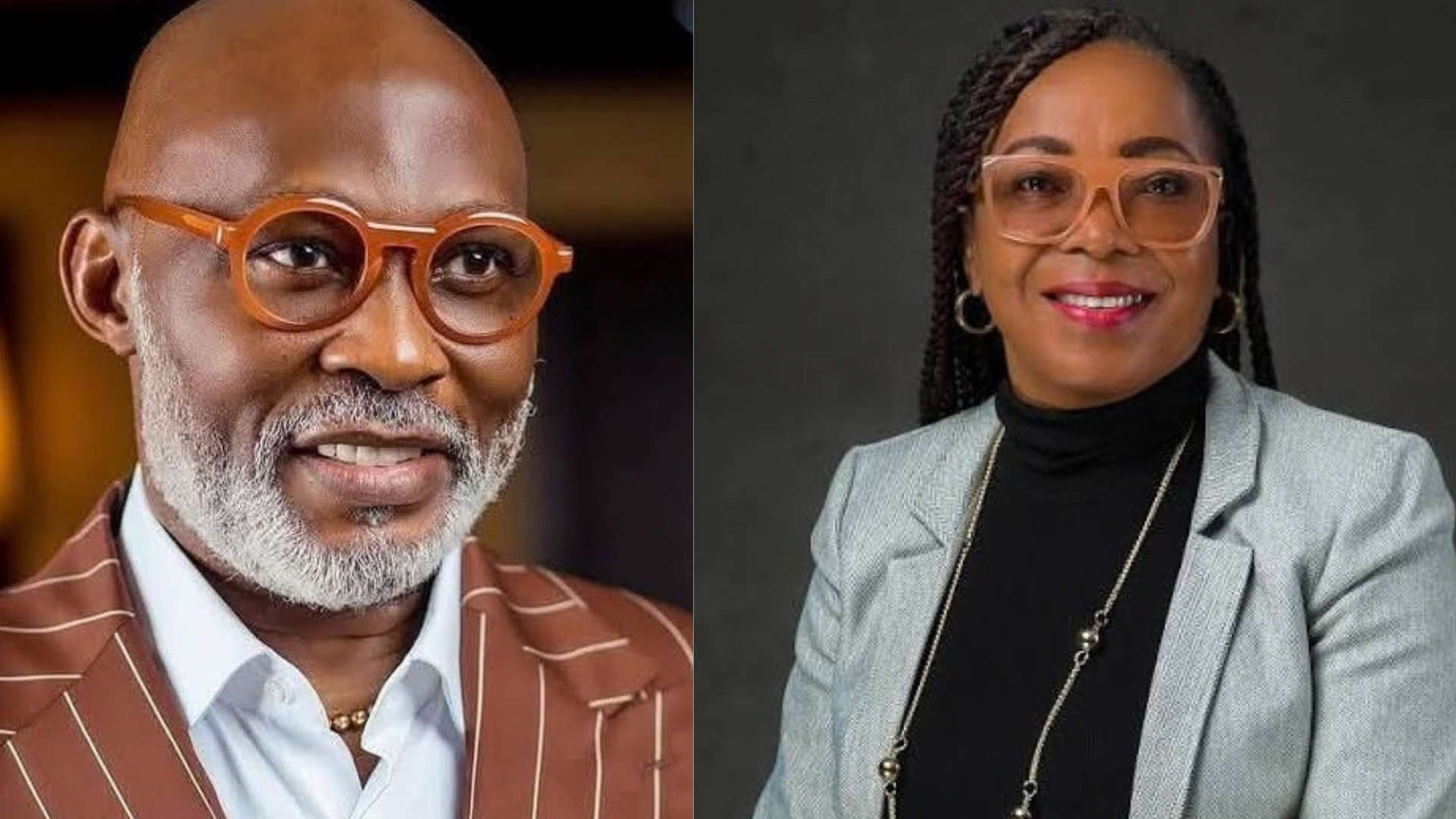
Veteran actor and filmmaker Richard Mofe-Damijo, popularly known as RMD, has urged Nigerians to move beyond simply criticising the country’s problems and take greater responsibility for fixing them, saying Nigeria’s reputation depends on the actions of its citizens and leaders.
RMD made the call at the 2026 Pivot Nigeria conference in Lagos, where speakers examined Nigeria’s reputation and the economic and social consequences of how the country is perceived.
The conference, themed “The Reputation Dividend: Who Pays for Nigeria’s Perception?”, was held at the MUSON Centre on Tuesday.
RMD said acknowledging Nigeria’s challenges should be accompanied by practical efforts to address them.
“There are problems, but we need to fix them. Don’t stand and just criticise and propose no solution,” he said.
He also called for greater accountability in governance, saying citizens must demand responsibility from political leaders.
“We don’t hold leadership accountable enough,” RMD said. “If we do, then when they come in there, they know that they are responsible to the people that they represent.”
The actor also urged Nigerians to recognise their individual role in shaping the country’s image, particularly when they travel or interact with people from other countries.
“Just remember who you are. You are an ambassador, not just for yourself, your parents or your school, but ultimately for your country,” he said.
RMD pointed to the success of Nigerian creatives and entrepreneurs, including the global growth of Afrobeats and the achievements of Aliko Dangote, as examples of Nigerians building international recognition from within the country.
He, however, cautioned against expecting immediate transformation, describing Nigeria as a “work in progress” and calling for patience alongside sustained efforts to address its challenges.
“We are a country, we’re a work in progress, and we must continue just doing the work,” he said.
The conference convener and Lead Consultant at HighStakes PR Professionals, Victoria Uwadoka, said reputation should be treated as a critical national asset because it helps build trust and influences how individuals, organisations and countries are perceived.
“Reputation is actually very, very critical for us as citizens and as a nation,” Uwadoka said.
She said responsibility for Nigeria’s reputation extends beyond government to citizens, the media, businesses and institutions.
“Media has a responsibility. Individuals have a responsibility. Institutions have a responsibility. Corporate Nigeria has a responsibility. Government has a responsibility,” she said.
Uwadoka also urged Nigerians to tell a more balanced story about the country by acknowledging its challenges while highlighting its achievements.
“Tell the truth about where we are. Be balanced. There’s not only bad about us, but there’s also good as well,” she said.
She said government also has a role to play by creating an enabling environment through sound policies, infrastructure and institutions that can support Nigerians and businesses.
The 2026 Pivot Nigeria conference brought together figures from the creative, media and communications sectors to examine Nigeria’s image, national narratives and the impact of the country’s reputation on citizens, businesses and opportunities.

Comments
Add a comment