

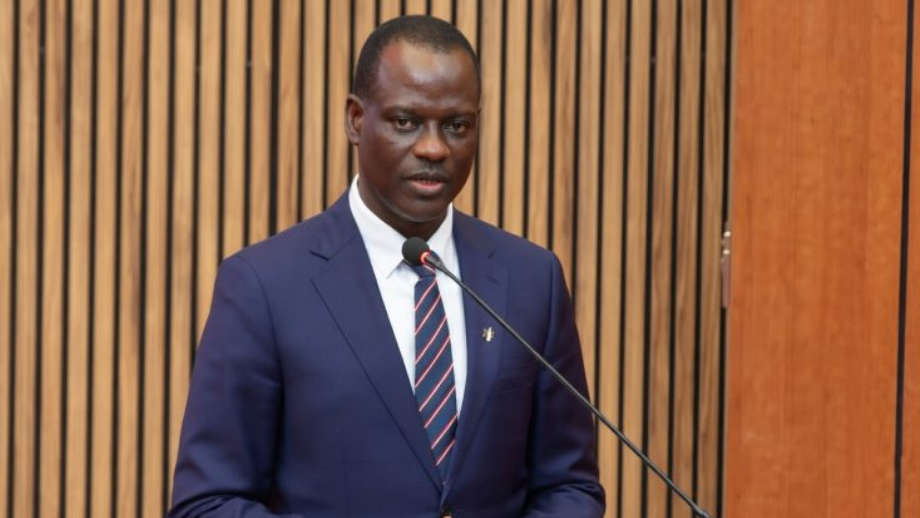
The Minister of Finance and Coordinating Minister of the Economy, Taiwo Oyedele, says President Bola Tinubu's economic reforms prevented Nigeria's economy from collapsing, describing the removal of the fuel subsidy as a critical step in restoring stability.
Speaking on Tuesday at the 2026 Nigeria Employers' Summit organised by the Nigeria Employers' Consultative Association (NECA) in Abuja, Oyedele said Nigeria was less than three months away from a major fuel crisis before the reforms were introduced.
According to him, the subsidy had become unsustainable, forcing the government to exhaust oil revenues and borrow against future crude production to keep it running.
He said the reforms initially triggered higher fuel prices, inflation, transport costs and exchange rate adjustments, but noted that they have since helped stabilise the economy.
"We have moved from volatility to stability. Stability is necessary because, without it, sustainable economic growth and job creation cannot happen," he said.
Oyedele said the next phase of the government's economic agenda would focus on achieving seven per cent annual real GDP growth to drive higher productivity, create jobs and improve living standards.
He urged Nigerians to remain committed to the reform programme, stressing that the sacrifices already made should not be wasted.
The minister also said the government designed the reforms to protect small businesses and low-income earners, while calling on wealthier Nigerians to contribute more to national development.
He maintained that sustainable social welfare cannot be funded through excessive money printing, adding that government must generate sufficient revenue before redistributing resources to support vulnerable citizens.
Oyedele further called on Nigerians to understand government policies before criticising them, saying informed engagement is essential for accountability and national progress.
He added that Nigeria's debt profile remains favourable, noting that the country has one of the lowest debt-to-GDP ratios globally and continues to access largely concessional financing.
Also speaking at the summit, the Director-General of the National Health Insurance Authority (NHIA), Dr. Kelechi Ohiri, called for increased investment in healthcare, describing human capital as Nigeria's greatest asset.
Ohiri said health insurance enrolment has risen from about 16 million to 22 million Nigerians—a 34 per cent increase since the implementation of reforms under the NHIA Act.
He added that more than 50,000 women have benefited from free emergency obstetric care in over 270 accredited hospitals, while the NHIA has expanded healthcare benefits to tackle the growing burden of non-communicable diseases nationwide.

Comments
Add a comment