


Women Advocates Research and Documentation Center (WARDC) has urged federal and state governments to urgently expand access to tranexamic acid (TXA), a World Health Organization–recommended drug proven to reduce deaths from postpartum haemorrhage, one of Nigeria’s leading causes of maternal mortality.
Speaking in Lagos, WARDC’s Founding Director, Dr Abiola Akiyode-Afolabi, said postpartum haemorrhage accounts for nearly 25 percent of maternal deaths in Nigeria, many of which are preventable with timely access to life-saving medicines.
“Every day, Nigerian women are dying from preventable childbirth complications due to delayed response, poor access to essential drugs and weak integration of proven interventions into routine maternal care,” she said.
She explained that TXA, when administered early during excessive bleeding after childbirth, significantly reduces the risk of death.
However, its availability remains limited across many public and private health facilities.
To address this gap, WARDC launched Project TRANSFORM, a 10-month advocacy and community engagement initiative across Lagos State.
According to Akiyode-Afolabi, the project reached over 20,000 people through direct community outreach in more than 50 communities, while digital campaigns and media engagements reached over five million people globally.
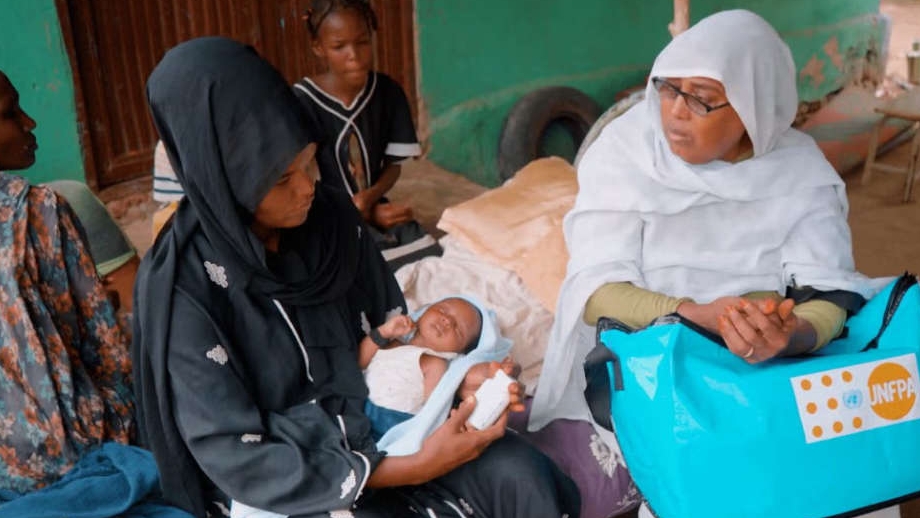
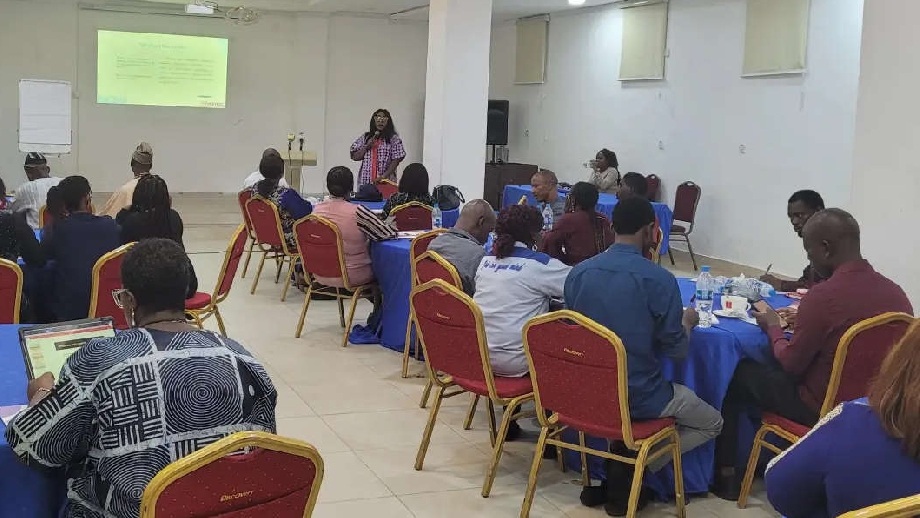
“We worked closely with community leaders, health workers, civil society groups and the media to take the conversation beyond hospitals into homes, communities and policy spaces,” she said.
WARDC is now calling on government to subsidise TXA, include it in standard delivery kits, and ensure it is consistently available at primary, secondary and tertiary health facilities.
The group noted that the drug currently costs between ₦20,000 and ₦35,000 in many places, making it unaffordable for most women.
“There is nothing stopping government from making TXA free for women as a deliberate strategy to reduce maternal deaths,” Akiyode-Afolabi said.
The organisation also urged health authorities to fully integrate TXA into national maternal health protocols, emergency guidelines and training curricula, while strengthening supply chains to prevent stock-outs.
“Awareness alone cannot save lives,” she added.
“We need political will, adequate funding and institutional commitment to ensure that no woman dies while giving birth from a preventable cause.”