

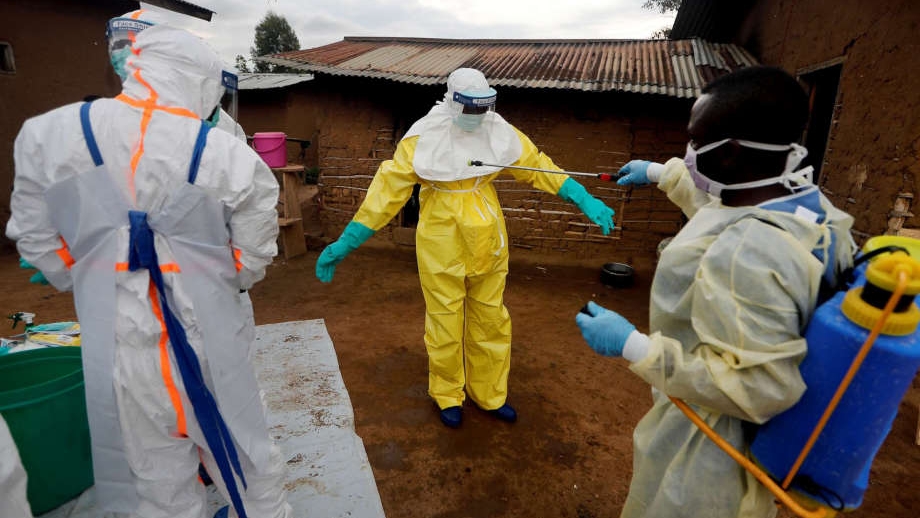
The World Health Organization has confirmed nearly 500 cases of Ebola in the ongoing outbreak affecting parts of Central Africa, raising concerns over the rapid spread of the deadly disease.
According to the latest situation update, 452 confirmed cases, including 82 deaths, have been recorded in the Democratic Republic of Congo (DRC), where the outbreak was officially declared three weeks ago.
In neighbouring Uganda, health authorities have confirmed 19 cases and two deaths linked to the virus.
The combined total of 471 confirmed cases and 84 deaths represents a sharp increase of 100 cases and 20 fatalities within 24 hours, highlighting the accelerating pace of the outbreak.
Health officials have warned that without aggressive intervention, the epidemic could become one of the largest Ebola outbreaks in recent history.
A senior official at the U.S. Centers for Disease Control and Prevention (CDC), Jason Asher, said outbreak models suggest the current situation could approach the scale of the devastating 2014 West Africa Ebola epidemic, which infected more than 28,000 people and claimed over 11,000 lives.
Ebola is a highly infectious viral disease transmitted through close contact with infected individuals and bodily fluids. The disease has caused more than 15,000 deaths across Africa over the past five decades.
Although the outbreak was officially declared on May 15 in northeastern DRC, experts believe the virus had been spreading undetected for some time before authorities identified the epidemic.
The current outbreak is linked to the Bundibugyo strain of Ebola, for which there are currently no approved vaccines or specific treatments.
In response to the growing crisis, the WHO and the Africa Centres for Disease Control and Prevention (Africa CDC) have launched a $518 million emergency response plan aimed at containing the outbreak over the next six months.
The strategy focuses on strengthening disease surveillance, expanding laboratory testing capacity, improving infection prevention measures and supporting affected communities.
WHO Director-General, Tedros Adhanom Ghebreyesus, described the outbreak as serious and urged countries to act swiftly to prevent further spread.
He stressed the need for coordinated international efforts to contain the disease in affected areas and ensure neighbouring countries are prepared to detect and respond rapidly to any new cases.
Health authorities continue to monitor the situation closely as response teams work to curb transmission and prevent the outbreak from expanding further across the region.

Comments
Add a comment