

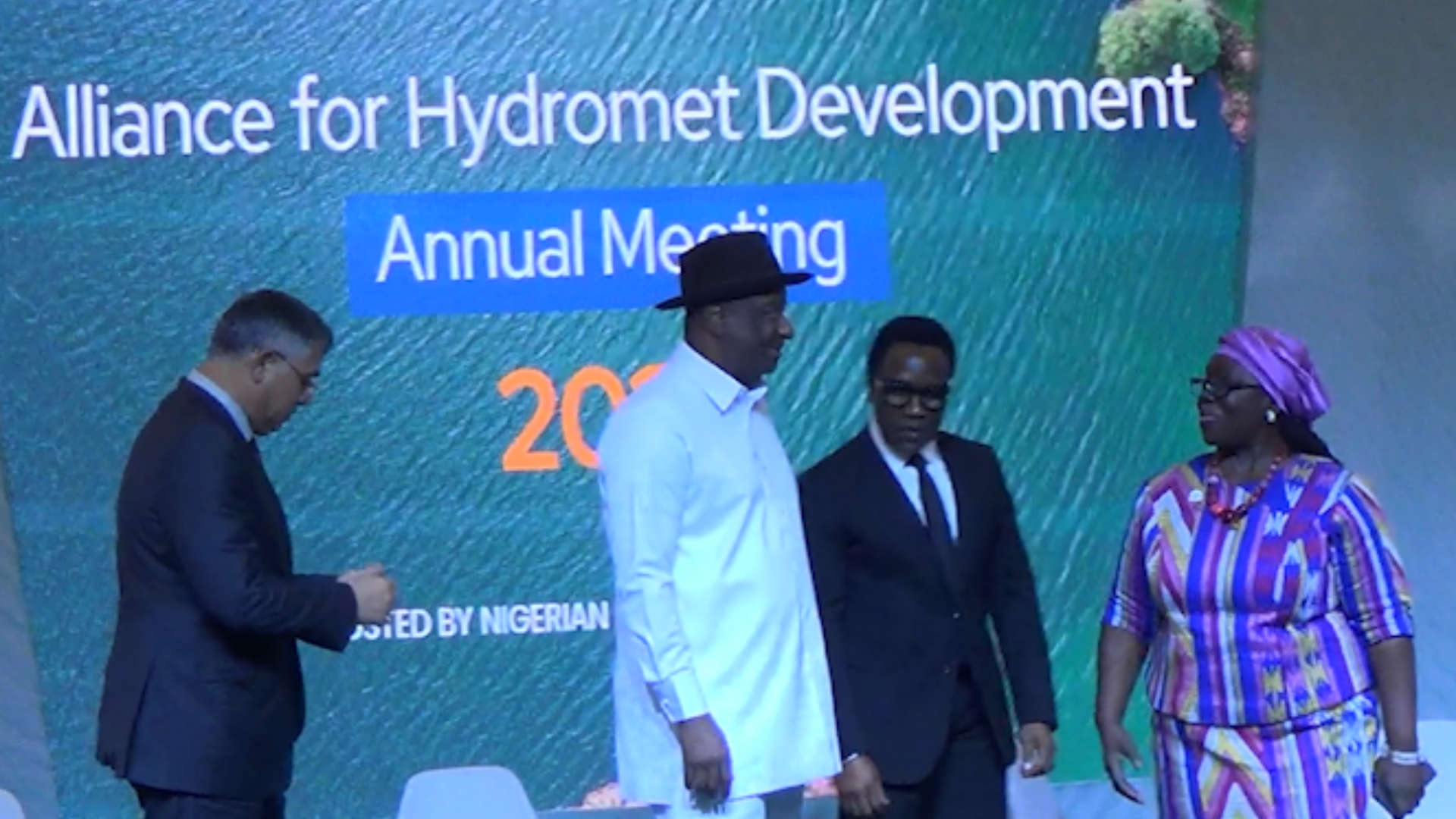
The World Meteorological Organization (WMO), the Nigerian Meteorological Agency (NiMet) and climate experts have called for increased investment in weather observation, forecasting and early-warning systems, warning that climate-related disasters increasingly threaten national security, food production, public health and economic development.
The call was made at the 2026 annual meeting of the Alliance for Hydromet Development, hosted by NiMet in Lagos under the theme, “Partnership, Innovation and Sustainable Investment in Weather, Water and Climate Services.”
The meeting brought together government officials, meteorological and hydrological agencies, climate finance institutions, researchers, development partners and private-sector representatives, including participants from Chad, Niger and the United Arab Emirates.
Discussions focused on how to turn weather and climate data into practical decisions that protect lives, livelihoods and infrastructure.
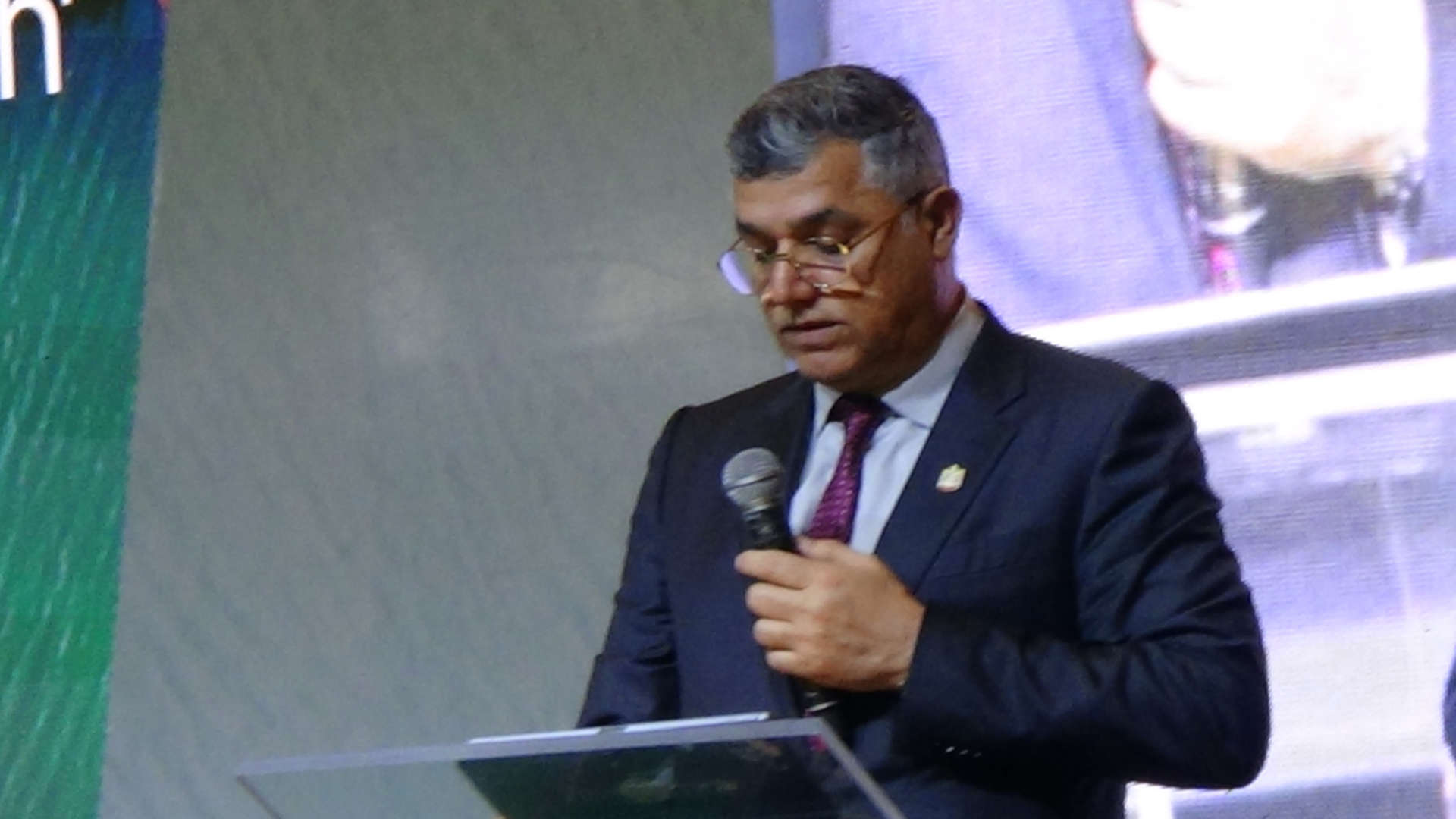
WMO President Dr. Abdulla Ahmed Al Mandous said closing global gaps in weather and climate services would require collective action, sustainable financing and stronger partnerships.
He stressed that reliable weather, water and climate information was critical national infrastructure because sectors such as agriculture, energy, transport, health and water management depend on accurate forecasts and timely warnings.
Al Mandous said the Alliance, launched at the 2019 United Nations climate conference in Madrid, was working toward closing gaps in weather and climate services by 2030.
He urged governments to strengthen national meteorological and hydrological services, improve institutional frameworks, expand regional cooperation and mobilize investment.
He also highlighted Nigeria’s growing contribution to regional cooperation, including support for meteorological capacity-building in other African countries.
According to remarks delivered at the meeting, investments in Nigeria’s weather and climate services under ECOWAS-related initiatives have been associated with estimated economic returns of 19 to 1.
NiMet Director-General Prof. Charles Anosike said Nigeria needed to move beyond collecting weather data to ensuring that the information guided decisions at every level, from government planning to farming and community disaster preparedness.
Anosike said Nigeria’s extensive landmass and limited observation infrastructure made it difficult to provide adequate coverage, particularly in rural, agricultural and remote border areas.
He called for greater investment in weather stations, radar systems, remote sensing and digital platforms to improve forecasting and expand access to reliable information.
He said NiMet provides seasonal climate predictions, daily forecasts, agricultural advisories, flood-risk information, maritime forecasts and severe-weather alerts to support aviation, agriculture, shipping and disaster management.
Anosike also highlighted partnerships with government agencies, research institutions, development organizations and private businesses to translate forecasts into practical advice.
These initiatives include exploring artificial intelligence and digital advisory systems for farmers, as well as weather-indexed insurance to help agricultural businesses manage climate-related risks.
“A forecast is not an early warning until it reaches the people at risk in a form that they can understand and importantly, early enough,” Anosike said in his remarks.
Daniel Kull, WMO director of development partnerships and programme delivery, said international cooperation was essential to strengthening forecasting capacity and closing gaps in weather observations.
“No country can forecast alone,” Kull said, emphasizing the need for countries and development partners to share expertise and resources.
He also underscored the importance of recognizing meteorological services as critical national infrastructure and ensuring they receive sustainable funding for equipment, operations and skilled personnel.
The meeting highlighted the role of satellite observation, numerical weather prediction, artificial intelligence and data analytics in improving the accuracy and accessibility of weather information.
Participants also discussed the challenge of ensuring that technological advances translate into warnings people can understand and act on.
Ndidi Okonkwo Nwuneli, co-founder and chair of Sahel Consulting, said climate information was closely connected to food security, public health and household welfare.
She noted that changing rainfall patterns, flooding and extreme heat could disrupt agricultural production, increase economic pressure and contribute to health risks.
Nwuneli called for stronger links among climate services, agriculture, health, insurance and financial institutions, arguing that weather data must inform decisions about infrastructure, production and investment.
“The data is the foundation. The collaboration and the critical partnerships are needed,” she said, urging governments, development partners and businesses to work together to strengthen climate resilience.
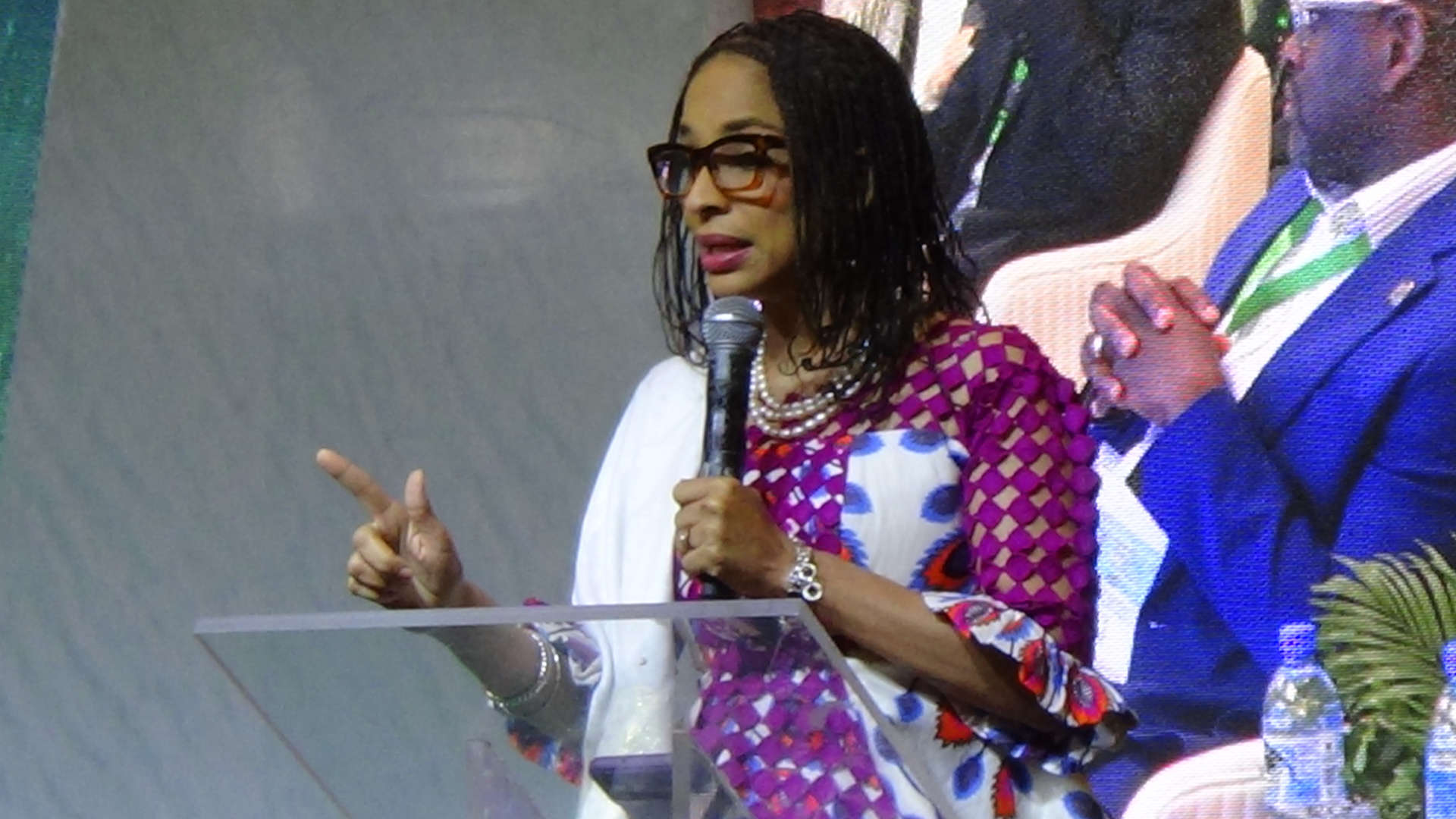
Nwuneli also raised concerns about Africa’s limited access to global climate finance, calling for greater investment in the continent’s capacity to anticipate and manage climate risks.
She said the benefits of climate information would remain limited unless institutions and businesses used it to make informed decisions and protect investments.
Representing the Lagos State governor, Special Adviser on Blue Economy Oluwa-Damilola Emmanuel said flooding and extreme weather posed serious threats to lives, infrastructure and economic activity, particularly in coastal cities such as Lagos.
Emmanuel cited the 2022 floods in Nigeria, which displaced more than 2.4 million people, killed more than 700 and caused an estimated $1.84 billion in damage.
He said reliable forecasts and effective early-warning systems could help communities prepare for disasters and reduce losses.
He urged government agencies, emergency responders, researchers, meteorological services and private investors to strengthen collaboration.
He also called for investment not only in weather stations and forecasting technology but in maintenance, technical expertise and long-term operational capacity.
“Our partnership must produce action, our innovations must solve real problems and our investments must deliver lasting public value,” Emmanuel said.
Minister of Aviation and Aerospace Development Festus Keyamo also gave assurances of the Federal Government’s commitment to sustaining development in the meteorological sector, according to the meeting notes.
His remarks underscored the importance of weather services to aviation safety and the need for continued government support.
The meeting also included representatives of the Office of the President on disaster affairs and other government institutions, reflecting the links between weather forecasting, emergency preparedness and national development.
Participants stressed that early-warning systems are effective only when warnings reach exposed communities in time and are backed by practical plans for response.
They called for stronger coordination among meteorological agencies, emergency services, policymakers and local communities to turn forecasts into early action.
The Alliance for Hydromet Development brings together development, humanitarian and climate finance institutions to help countries strengthen weather, water and climate services.
Its work includes assessing national capacity gaps and supporting investment in basic weather and climate observation systems.
With the 2030 target approaching, the meeting called for governments and partners to convert assessments into funded projects, improve national forecasting capacity and strengthen cooperation across borders and economic sectors.
The central message from the Lagos meeting was that weather services must be treated as an essential part of national security and economic planning — with sustained investment and stronger partnerships needed to turn data into timely action that saves lives and protects livelihoods.

Comments
Add a comment