

The World Meteorological Organization says El Niño is firmly established and is expected to intensify into a very strong event in the coming months, with significant impacts on rainfall and temperature patterns worldwide.
In its latest El Niño-La Niña update, the WMO forecasts an exceptionally high likelihood of nearly 100% that El Niño will persist through February 2027.
The organization said exceptionally warm ocean conditions across the tropical Pacific are supporting further intensification, with the phenomenon expected to peak toward the end of 2026.
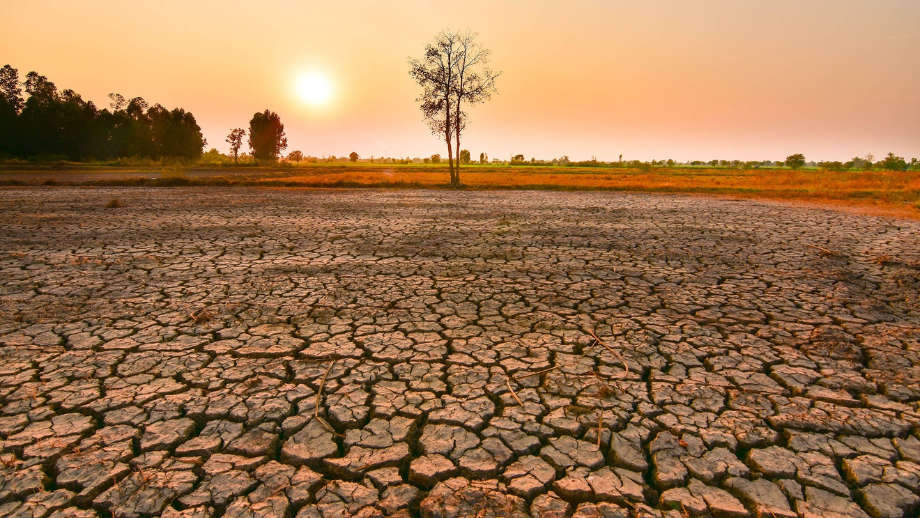
WMO warned that a very strong El Niño could significantly alter rainfall and temperature patterns in different parts of the world and increase the risk of floods, drought and extreme heat.
WMO Secretary-General Celeste Saulo said the phenomenon was already causing disruption from droughts and floods and warned that the impacts could increase as El Niño strengthens.
She called for increased preparedness and response, saying WMO was working with national meteorological and hydrological services to strengthen early-warning efforts and protect lives and livelihoods.
The agency said sea surface temperatures in the central and eastern equatorial Pacific were already well above average and continuing to rise.
The Niño 3.4 index, which measures sea surface temperature anomalies in the region, rose from an average 1.5 degrees Celsius above normal between May and July 2026 to 2 degrees above normal in July.
Weekly values increased further between late July and mid-August, reaching about 2.2 to 2.6 degrees Celsius above average.
WMO said temperatures below the ocean surface were also exceptionally high, with some areas recording more than 8 degrees Celsius above average in July and early August.
For September through November 2026, WMO forecasts indicate an increased likelihood of above-normal temperatures across almost all land areas, alongside significant changes in rainfall patterns.
The organization stressed, however, that a very strong El Niño does not necessarily mean the same impacts in every country or region, as its effects vary by location and season and can be influenced by other climate patterns.
WMO said a positive phase of the Indian Ocean Dipole is also expected to develop, while the equatorial Atlantic is forecast to remain generally warmer than normal.
The organization urged governments, humanitarian agencies, businesses and communities to use the forecasts to prepare for potential climate-related risks.
WMO also stressed that El Niño is a natural climate phenomenon and is not caused by climate change.

Comments
Add a comment