

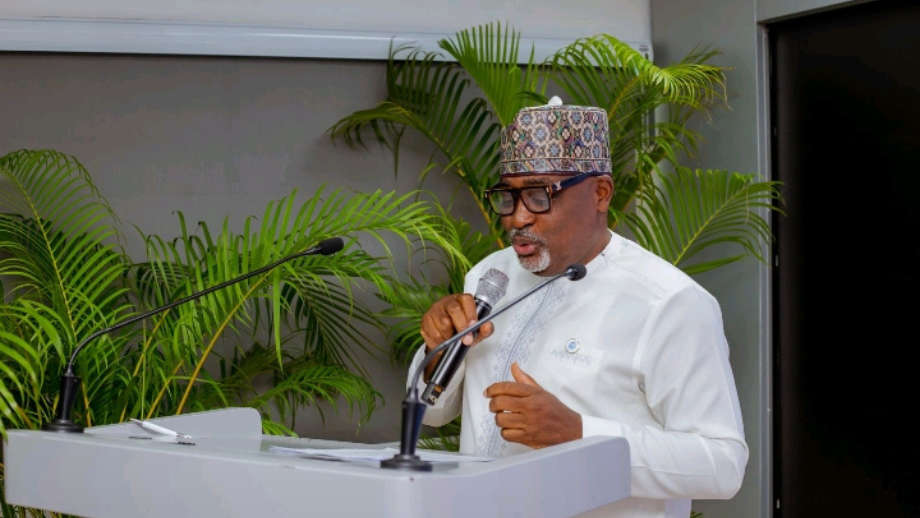
Following his earlier warning to Nigerians, about a possible scarcity of staple foods in the next three months, Country Director of the World Agricultural Forum and President of the Organisation for Technology Advancement of Cold Chain in West Africa (OTACCWA), Alexander Isong, has cited the causes of this impending issue.
In his earlier interview with the News Agency of Nigeria (NAN), Isong noted that rice would be the biggest scarcity, stating that production is projected to drop by six percent to 8.3 million tonnes and that cultivated land should reduce by seven percent in the next three months.
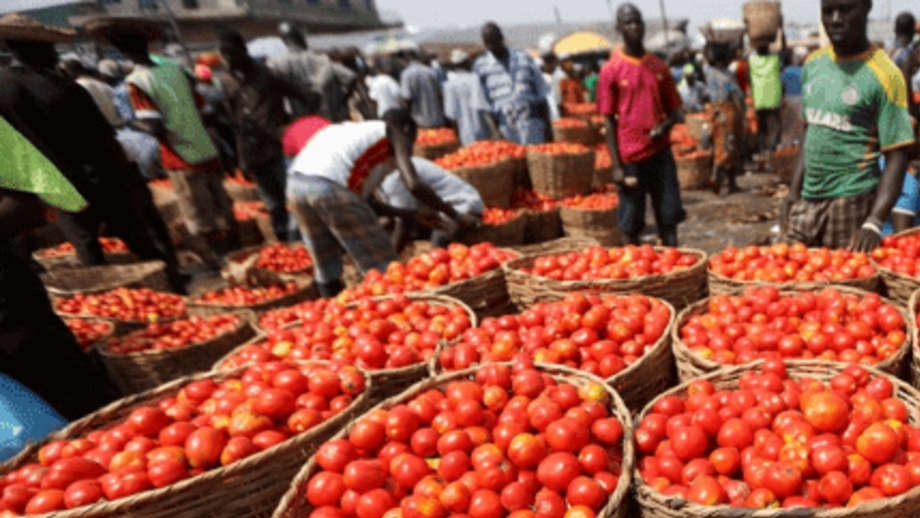
Isong also cited tomatoes, maize and sorghum as foods that could become scare because of lower production and reduced replanting, due to insecurity.
Speaking to Nigeria Info 99.3 FM, Isong threw more light on the warning, stating that it was meant to encourage action before the situation worsens.
"It is basically for us to see how we can manage what we already have," he said.
He explained that food production this year is lower than last year's, while Nigeria's growing population is increasing demand. He also said post-harvest losses remain high, reducing the amount of food that reaches markets.
"When there are a lot of people looking for fewer resources, there is always pressure on that resource," he said.
Cities Likely to Feel the Impact Most
Isong said the shortage would affect the whole country because food moves between different regions.
However, he said urban areas could experience higher prices first because they depend on food transported from rural communities.
He blamed poor roads, insecurity and high transport costs for making it harder to move farm produce.
"Once there is a hiccup in the process, there is always a shock to the system," he said.
Call for Stronger Support for Farmers
The agriculture expert urged state governments to invest more in food storage, processing and transport instead of leaving the sector entirely to the federal government.
He also called for greater support for private businesses involved in agriculture.
"We are saying that they should fund it, or they should create guarantees... for the average farmer," Isong said.
He argued that governments should create an enabling environment rather than run farming businesses themselves.
GMO Fears Unfounded, Panic Buying a Danger
Responding to concerns about genetically modified organisms, or GMOs, Isong said they are not responsible for the expected shortage.
He said the debate over GMO seeds is separate from the country's current food supply challenges.
He also advised Nigerians against panic buying, saying it would only push prices higher and make food less affordable for poorer families.
"I would not advise panic buying," he said.
"I would only just appeal to the rich people and say, please, whatever you do, don't buy all the food in the market.
"Let the other people, let our brothers and sisters that are not as well to do as you are, have some to buy too."

Comments
Add a comment