

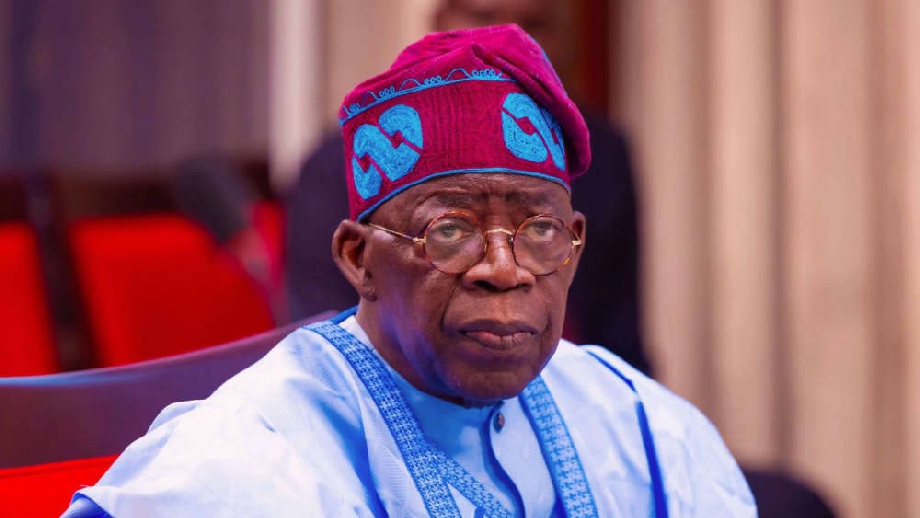
President Bola Tinubu has approved a ₦3.3 trillion payment plan to settle long-standing debts in Nigeria’s power sector, in a move aimed at improving electricity supply across the country.
The presidency said the debts, which built up between February 2015 and March 2025, have affected power generation and supply for more than a decade.
After a final review, the government agreed on ₦3.3 trillion as a “full and final settlement” to resolve the crisis.
Officials said implementation has already begun. So far, 15 power plants have signed agreements worth ₦2.3 trillion, while the government has raised ₦501 billion, with ₦223 billion already paid and more disbursements ongoing.
The government said the payments will help stabilize electricity generation.
“With payments reaching the power value chain, generation will be more stable,” the statement said, adding that “electricity reliability will improve.”
Olu Arowolo-Verheijen, special adviser on energy to the president, said the plan goes beyond clearing debts when asked by the press about the plan.
“This programme is not just about settling legacy debts.
"It is about restoring confidence across the power sector,” she said.
She added that the reforms will ensure gas suppliers are paid and power plants can continue running.
The government is also working on “better metering and service-based tariffs” to link electricity bills to service quality.
“The goal is simple: more reliable power for homes, stronger support for businesses, and a system that works better for all Nigerians,” she said.
Tinubu also confirmed that the next phase of the reform programme will begin later this quarter.