

The United Kingdom has declined to support U.S. President Donald Trump’s proposed naval blockade of the Strait of Hormuz, highlighting growing divisions among Western allies over how to respond to rising tensions with Iran.
The move comes after Trump announced that the United States would begin blocking ships linked to Iran following the collapse of nuclear talks.
“Effective immediately, the United States Navy will begin the process of blockading the Strait of Hormuz,” Trump said.
However, British officials quickly distanced themselves from the plan.
A UK government spokesperson said the country would not take part and is instead working with partners to ensure safe passage through the critical waterway.
The Strait of Hormuz is one of the world’s most important oil routes, and any disruption could have major global economic consequences.
UK Health Secretary Wes Streeting stressed the need for continued dialogue, saying, “It’s obviously disappointing that we haven’t yet seen a breakthrough,” but added that diplomacy must continue.
He also criticised Trump’s rhetoric, describing it as “incendiary, provocative, outrageous.”
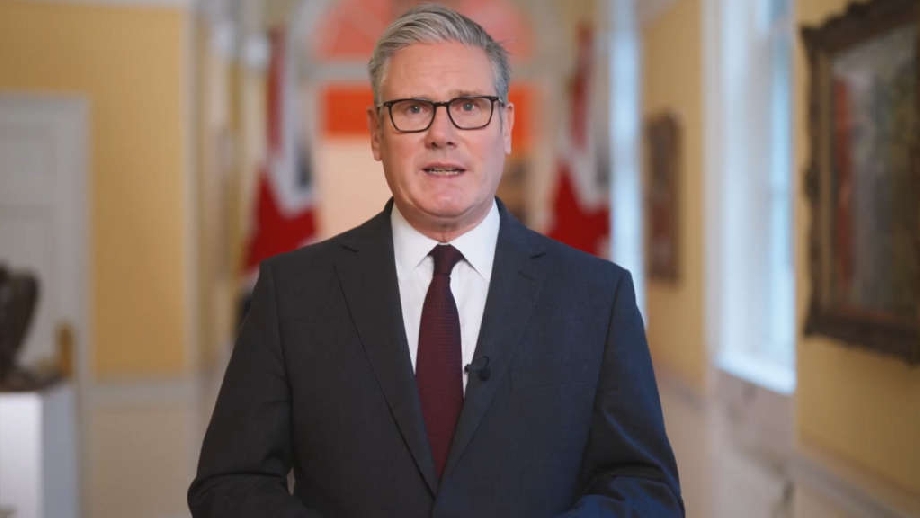
Prime Minister Keir Starmer has also ruled out British involvement in the blockade, instead backing efforts to form a wider international coalition to protect “freedom of navigation” in the region.
The blockade plan follows failed negotiations between U.S. and Iranian officials, with disagreements over Iran’s nuclear programme remaining unresolved.
Meanwhile, Iran has strongly opposed the move, with its Foreign Minister Abbas Araghchi accusing Washington of “maximalism, shifting goalposts, and blockade,” while its Navy chief, Shahram Irani, has described the planned US blockade as "ridiculous".