

Stakeholders in child health, research and public policy have called for the institutionalisation of the Safety and Antimicrobial Resistance of Mass Administration of Azithromycin Among Children (SARMAAN) Project as a national child survival strategy in Nigeria.
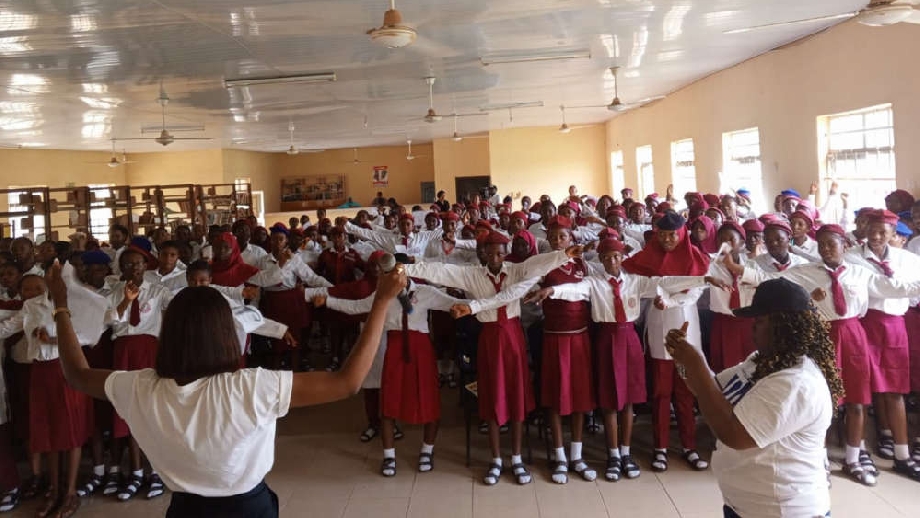
The call was made as Nigeria joined other African countries in commemorating the Day of the African Child to promote children’s rights, health, and well-being across the continent.
According to the stakeholders, sustaining the gains recorded under the SARMAAN Project is critical to reducing preventable illnesses and deaths among children under five years of age.
The project, implemented through partnerships involving the Nigerian Institute of Medical Research (NIMR), government institutions, development partners and state-level stakeholders, has reached more than 16 million children across 11 northern states.
Speaking on the significance of the project, the SARMAAN Advocacy Project Lead, Ikechukwu Ofuani, said the intervention had evolved beyond a standalone initiative and should be recognised as a strategic child survival programme with national relevance.
He said institutionalising the project would help preserve existing gains while integrating its approach into Nigeria’s health system for long-term benefits.
“Government and institutional ownership must define the next phase of the programme to ensure its sustainability beyond donor support,” Mr Ofuani said.
Also speaking, the Principal at Centre for International Development and Research (SCidar), Demilade Osoteku, described SARMAAN as a practical and scalable intervention capable of improving child survival outcomes, especially in underserved communities.
According to him, the project extends beyond medicine administration by strengthening systems such as microplanning, supply chain coordination, community engagement, implementation monitoring and data-driven decision-making.
He said the intervention provides an evidence-based platform for addressing persistent inequalities in access to lifesaving healthcare services for children.
At the sub-national level, the Director of Public Health in Jigawa State, Abubakar Said Kanya, said the state had completed three rounds of Mass Drug Administration under the programme, consistently achieving the target coverage of 90 per cent.
Kanya said communities in the state had embraced the intervention, with caregivers reporting positive experiences from participating in the programme.
Similarly, the Executive Secretary of the Gombe State Primary Health Care Development Agency, Abdulrahman Shuaibu, said implementation in the state recorded no resistance from communities, describing the level of acceptance as a key indicator of the project’s success.
Stakeholders also called for increased domestic financing, stronger policy integration and inclusion of the intervention in state and national health plans to guarantee long-term impact.
They noted that sustaining the momentum created by SARMAAN aligns with Nigeria’s commitment to reducing child mortality, strengthening primary healthcare systems and achieving the Sustainable Development Goals related to child health and wellbeing.
The Day of the African Child commemorates the 1976 Soweto uprising in South Africa, where schoolchildren protesting for their rights were killed, and serves as a reminder of the need to protect and invest in Africa’s children.

Comments
Add a comment