

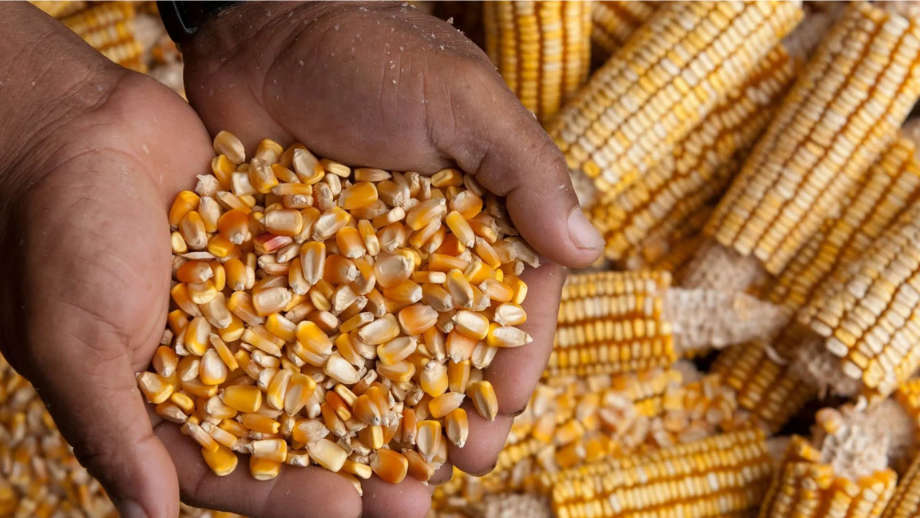
The Oyo State Government says its decision to pull out of a proposed maize export arrangement with Botswana was based on economic analysis and the need to protect local farmers from an unprofitable venture.
The government said the decision should not be interpreted as a retreat from international agricultural trade, but as a shift toward agricultural value chains it considers more commercially sustainable.
The clarification was contained in a statement issued in Ibadan on Friday by the governor’s Special Adviser on Media, Dr. Sulaimon Olanrewaju.
The government said the Seyi Makinde administration had, during its first term, explored a bilateral arrangement with Botswana aimed at securing an off-taker for maize produced by Oyo farmers and generating foreign exchange earnings for the state.
However, it said studies conducted by the Oyo State Agribusiness Development Agency showed that large-scale maize exports under the proposed arrangement were not economically viable.
The government said the findings informed its decision to pull back from the deal rather than expose farmers to a market arrangement that could undermine their returns.
It said Oyo was instead focusing on more profitable agricultural value chains, including cassava, as part of efforts to build a sustainable agribusiness economy.
The government also highlighted several initiatives it said were aimed at strengthening the state's agricultural sector, including the ongoing Ijaye Agribusiness Industrial Hub, the establishment of OYSADA and the Fasola Agribusiness Industrial Park.
According to the statement, the Fasola park has been recognised by the African Development Bank as Nigeria's first Agricultural Transformation Centre.
The government also cited rural security measures through the Amotekun Corps, rural road projects and the Light Up Oyo initiative as efforts to improve conditions for farmers and reduce post-harvest losses.
It said the state's early domestication of the African Continental Free Trade Area protocol had also positioned Oyo to pursue wider continental agricultural trade rather than depend on a single bilateral export arrangement.
The government said its approach was to build an agricultural economy based on data, competitiveness and long-term value, while ensuring that decisions taken in the sector protect farmers and improve their economic prospects.

Comments
Add a comment