

The exit of Peter Obi and Rabiu Musa Kwankwaso from the African Democratic Congress (ADC) has triggered a wave of defections, weakening the party’s presence in the National Assembly and altering Nigeria’s opposition landscape ahead of the 2027 elections.
The lawmakers moved to the National Democratic Congress (NDC), which has recorded significant gains in recent days, including 17 members of the House of Representatives and a senator.
Earlier, Senator Seriake Dickson also joined the party from the Peoples Democratic Party.
The development comes days after opposition figures agreed to work toward presenting a single presidential candidate to challenge President Bola Tinubu in 2027.
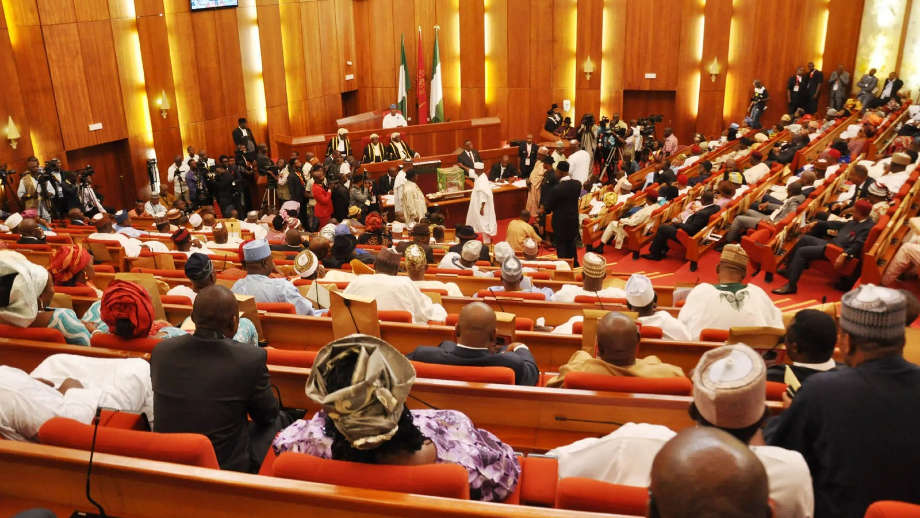
In the House of Representatives, Deputy Speaker Benjamin Kalu, who presided over plenary, read defection letters from lawmakers citing internal crises within the ADC.
The lawmakers said the party’s instability, “from the ward to the national level,” influenced their decision to leave.
Among those who defected are Yusuf Datti, Sani Adamu, Zakari Mukhtari, Kamilu Ado, Harris Okonkwo, George Ozodinobi, Lilian Orogbu, Peter Anekwe, Emeka Idu, Ifeanyi Uzokwe and Afam Ogene.
Others include Lagos lawmakers Thaddeus Attah, Oluwaseyi Sowunmi, George Olwande and Jese Onuakalusi, alongside Murphy Omoruyi from Edo and Umezuruike Manuchim from Rivers State.
In a separate move, Kogi lawmaker Leke Abejide defected from the ADC to the ruling All Progressives Congress.
The coordinated defections are widely seen as a show of loyalty to Obi and Kwankwaso, whose switch to the NDC has accelerated realignments across party lines.
Both politicians command strong regional support bases in the South-East and North-West, respectively.
The ADC’s troubles have been building for months, with internal disputes over leadership, strategy and ambitions among key figures.
Tensions reportedly worsened amid disagreements involving former Vice President Atiku Abubakar during coalition talks.
With the loss of high-profile figures and lawmakers, the ADC’s strength in the House of Representatives has dropped sharply—from about 24 members to six—raising questions about its viability ahead of the next election cycle.
The Peoples Democratic Party, once the dominant opposition force, has also seen its numbers decline to 29 in the House, down from 116 at the inauguration of the 10th National Assembly in 2023.
Meanwhile, Senate President Godswill Akpabio openly mocked the ADC during plenary, declaring the party “dead” as more defections were announced.
Akpabio made the remark after reading a defection letter from Senator Victor Umeh, who joined the NDC citing internal divisions and ongoing litigation within the ADC.
“How many times can you defect in a month?” Akpabio said, drawing laughter in the chamber as he suggested lawmakers should consolidate defection notices rather than announce them individually.
Umeh, who said he resigned from the ADC on May 1, described his move as the result of “lingering divisions” and instability within the party.
Political analysts say the rapid realignments signal a shifting opposition bloc, with the NDC emerging as a potential platform for consolidating forces ahead of the 2027 elections.

Comments
Add a comment