

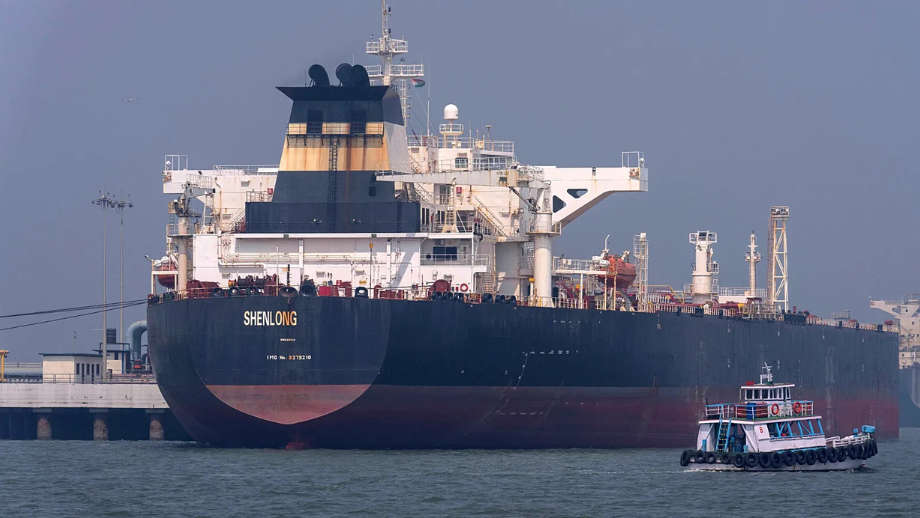
The first commercial vessels have begun moving through the Strait of Hormuz following a temporary ceasefire between Iran and the United States, easing weeks of disruption to global oil and shipping markets.
Maritime monitors said at least two ships were among the first to pass through the strategic waterway after Iran agreed to reopen it as part of the truce.
The breakthrough comes after nearly six weeks of conflict that had effectively halted traffic through one of the world’s most important corridors.
Shipping data also showed that vessels stranded in the Persian Gulf are beginning to move, with industry experts expecting more departures in the coming days if the ceasefire holds.
The Strait of Hormuz handles about one-fifth of global oil trade, making its closure a major shock to energy markets.
During the crisis, tanker traffic dropped sharply as Iran restricted passage and warned ships against entering the route.
Under the ceasefire agreement, Iran has allowed a limited reopening of the strait, offering what officials described as a window for “safe passage” while negotiations continue.
However, uncertainty remains.
Shipping companies say the truce does not yet provide full security guarantees.
“There is no full maritime certainty,” one major shipping firm said, noting that operations will depend on ongoing risk assessments.
Analysts say it could take weeks to clear the backlog of vessels and restore normal operations, with hundreds of ships still waiting to transit the waterway.
The ceasefire is expected to ease pressure on global oil prices, which surged during the conflict, but officials warn that tensions in the region remain fragile.