

Nigerian football administrator and sports commentator Ibukun "IBK Sports" Aluko is urging young footballers to learn skills outside football, saying it could protect their mental health and give them hope if they fail to become professionals.
Speaking with Nigeria Info on mental health and grassroots sports, Aluko said many young Nigerians see football as their only way out of poverty.
However, he emphasised that only a small number can eventually reach the professional level.
Aluko explained that many players struggle when their football dreams end because they have no education, vocational training, or other career options.
According to him, this can leave them feeling rejected, hopeless and under pressure as they watch friends succeed while they are left behind.

June has been designated as Men's Mental Health Month.
The world is expected to amplify discussions and champions causes that will help men develop strong support systems to boost their mental health.
One of those causes is sports, but even that has shown to be a source of mental health struggles for young boys.
UNICEF estimates that one in seven adolescents aged 10 to 19 lives with a mental health condition, while anxiety and depression are among the most common problems.
Young sportspeople are the most hit, because of the pressure to be successful in a widely popular field.
The issue is also important in Nigeria.
UNICEF reported that one in six Nigerians aged 15 to 24 often feels depressed, anxious or loses interest in daily activities, showing that many young people already face emotional challenges before adding the pressure of chasing a sports career.
Aluko said parents, coaches and football academies should be honest with young players about the chances of becoming professionals.
Instead of asking them to focus only on football, he believes they should also encourage education and practical skills that can provide another source of income.
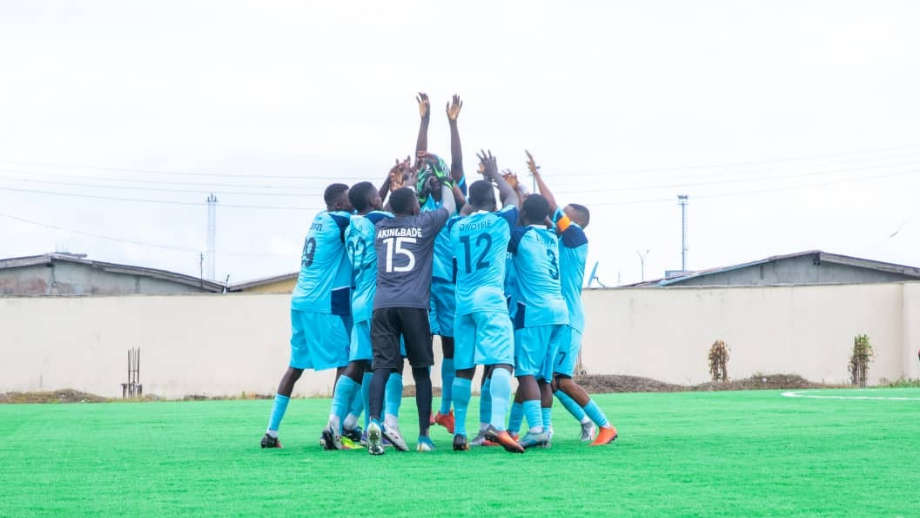
He asked community football and sports initiatives to emulated Nigerian academies such as Beyond Limits, Sporting Lagos and Ikorodu City, and how they combine football with learning and vocational programmes to prepare players for life beyond the pitch.
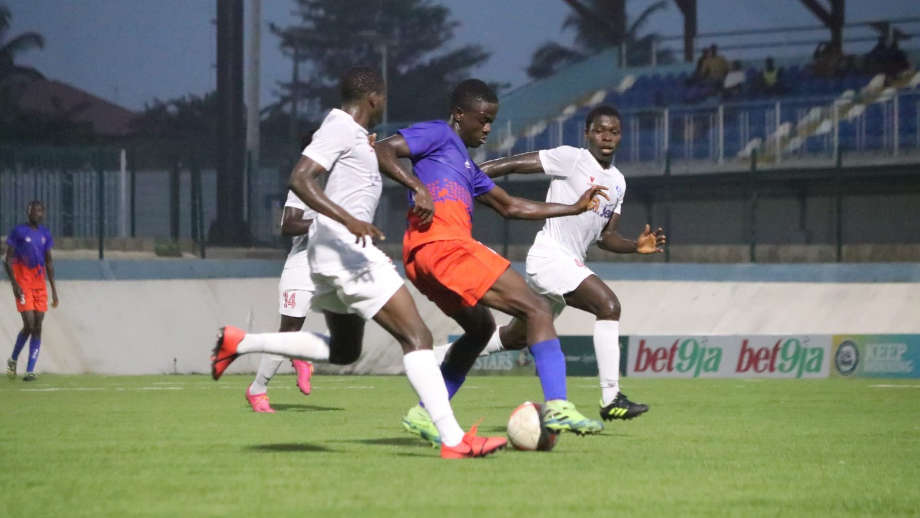
According to Aluko, staying busy with school, work or another skill also helps young people avoid negative influences and gives them confidence, even if football does not work out.
He argued that this approach could reduce many social problems linked to unemployed young athletes.
Nigeria has one of the world's youngest populations, with about half of its people being children and adolescents, making investment in young people's education and well-being especially important.
Aluko said football will always inspire young Nigerians, but it should never be their only plan.
"If football doesn't work, there should be something else waiting for them," he said.
"That is how we build better people and, in the end, a better nation."

Comments
Add a comment