

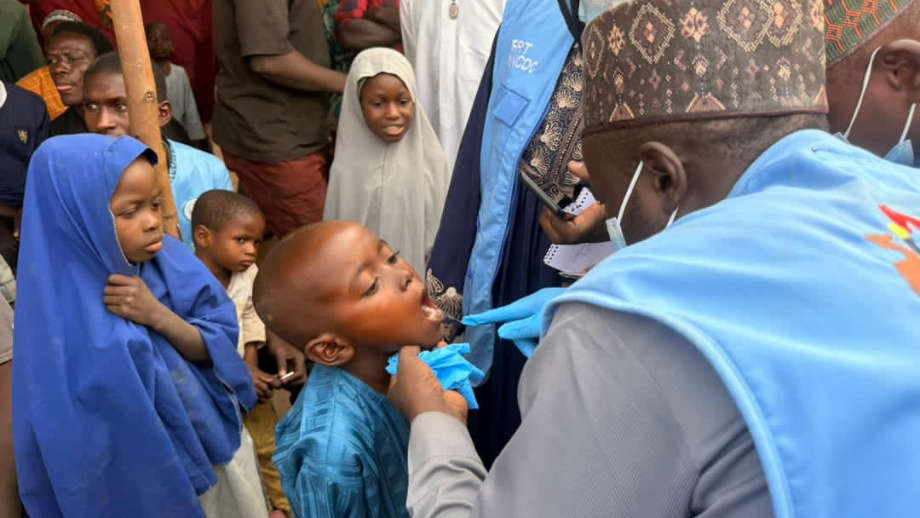
The Kano State government has launched a public health awareness campaign and distributed free medication in Durmawa community in Tiga, a town in Bebeji Local Government Area, following reports of suspected diphtheria cases.
The intervention was carried out by the Kano State Centre for Disease Control and Prevention (KNCDC) as part of efforts to prevent a possible outbreak and protect vulnerable residents, especially children.
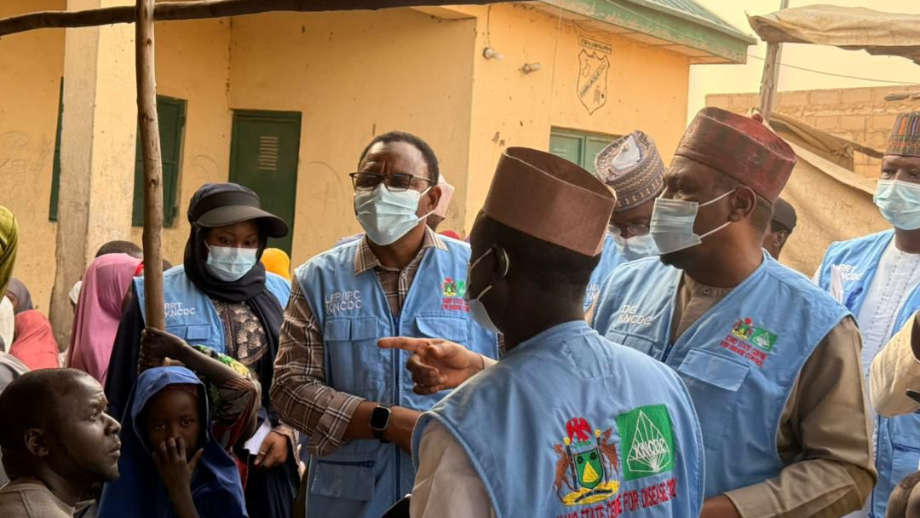
Speaking during the outreach, the Director-General of KNCDC, Prof. Muhammad Adamu Abbas, said, “The agency received reports of unusual cases of persistent cough among children in the community, prompting an immediate public health response.”
Prof. Abbas said the KNCDC deployed health officials to the area to carry out community sensitisation, provide basic medical support, and assess the situation on the ground.
According to him, the team engaged community leaders, parents, and caregivers on early warning signs, personal hygiene practices, and the need to avoid delays in seeking medical care.
Diphtheria is a highly contagious bacterial infection that causes severe coughing fits.
Common symptoms include sore throat, fever, general weakness, swollen neck glands, and difficulty swallowing or breathing.
In some cases, a thick grey or white coating may form on the throat or tonsils, obstructing the airway.
The disease is particularly dangerous for children and unvaccinated persons.
It spreads through respiratory droplets released when an infected person coughs or sneezes, as well as through close contact with an infected person.
Diphtheria is treated with antibiotics and supportive medical care, and can be prevented through routine immunisation, including vaccines that protect against diphtheria.
Prof. Abbas urged parents and caregivers to promptly “take their children to the nearest health facility whenever they notice symptoms of illness, stressing that early presentation improves treatment outcomes and reduces the risk of further transmission within households and the wider community.”
He also assured residents that the agency has activated its rapid response mechanisms and remains on alert to contain any suspected disease outbreak across the state.
The KNCDC director-general said surveillance activities had been intensified in the area to enable early detection of new cases and ensure that health facilities are ready to respond promptly.
He explained that the agency is working closely with primary healthcare centres and local health authorities in Bebeji Local Government Area to strengthen reporting and referral systems and ensure that suspected cases are promptly referred for proper management.
Prof. Abbas added that “community cooperation remains critical to the success of disease control efforts”, noting that residents are encouraged to report any unusual health situations to the nearest health facility or community health worker.
He said the state government would continue to invest in disease surveillance, community engagement, and preventive services to reduce the burden of communicable diseases in Kano.
According to him, “KNCDC will also continue to support routine immunisation and public health education campaigns across the state, particularly in hard-to-reach communities, to protect children from vaccine-preventable diseases and strengthen the overall health security of Kano State.”
According to him, the KNCDC will also continue to support routine immunisation and public health education campaigns across the state, particularly in hard-to-reach communities, to protect children from vaccine-preventable diseases and strengthen the overall health security of Kano State.