

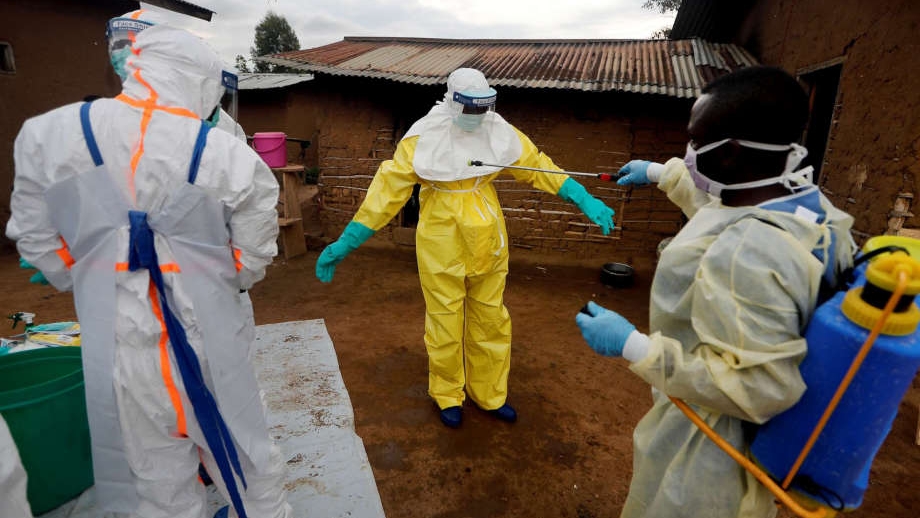
The Pharmaceutical Society of Nigeria (PSN) has directed pharmacies across the country to activate emergency safety measures following fresh Ebola outbreaks reported in parts of East and Central Africa.
Although Nigeria has not recorded any confirmed Ebola case, the society warned pharmacists to remain alert because community pharmacies are often the first place sick people visit before going to hospitals.
In an advisory issued over the weekend, the PSN said pharmacists “must maintain a high index of suspicion” and strengthen surveillance in all pharmacy facilities nationwide.
The group explained that early Ebola symptoms include sudden fever, weakness, muscle pain, headache and sore throat, while severe cases may later involve vomiting, diarrhoea, skin rashes and bleeding.
To reduce possible spread, the PSN ordered pharmacies to restore compulsory handwashing and sanitiser stations at entrances.
It also directed pharmacy workers to wear gloves and face masks when attending to visibly ill patients.
The society further instructed pharmacies to disinfect counters, door handles and payment terminals regularly using bleach solutions or alcohol-based wipes.
Pharmacists were also warned against casually treating unexplained fever cases with malaria or antibiotic drugs.
“Do not continue empirical dispensing if a patient presents with fever that does not respond to standard therapy or is accompanied by severe gastrointestinal distress,” the PSN said.
The body added that pharmacies should temporarily stop non-essential blood-prick tests, including random blood sugar checks and malaria rapid tests, for patients with unexplained fever.
Under the emergency protocol, suspected Ebola patients must be isolated immediately and reported to health authorities through the Nigeria Centre for Disease Control and Prevention emergency channels.
“Do not advise suspected patients to use public transportation,” the society warned.
“Keep the patient isolated and comfortable until trained emergency responders arrive.”
The PSN also urged Nigerians to ignore false claims about herbal cures and other unverified Ebola treatments, stressing that “early supportive care at a dedicated public health facility drastically improves survival rates.”

Comments
Add a comment