

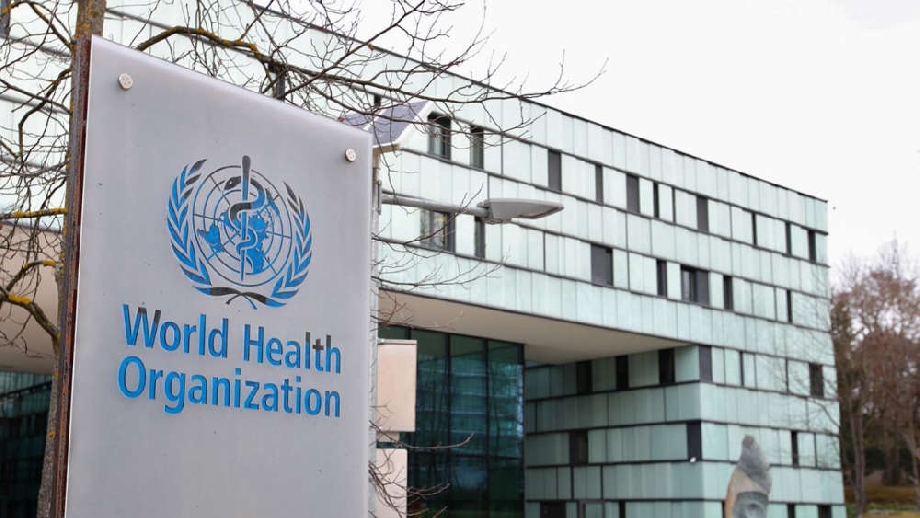
The World Health Organization has declared the Ebola outbreak in the Democratic Republic of Congo and Uganda a “public health emergency of international concern,” warning that the virus poses a high risk of spreading to neighbouring countries.
According to the WHO, the outbreak is linked to the Bundibugyo virus strain and does not currently meet the criteria for a pandemic.
However, countries sharing borders with the DRC are considered to be at high risk.
The UN health agency says 80 suspected deaths, eight laboratory-confirmed cases and 246 suspected infections have been recorded in Ituri Province in eastern DR Congo across the Bunia, Rwampara and Mongbwalu health zones.
The DRC health ministry had earlier confirmed 80 deaths linked to the outbreak.
WHO says the outbreak may be far larger than current figures suggest because of the high positivity rate among tested samples and the increasing number of suspected infections being reported.
The agency describes the situation as “extraordinary” because there are no approved vaccines or treatments specifically designed for the Bundibugyo virus strain, unlike the more common Ebola-Zaire strain responsible for most previous outbreaks in the DRC.
The WHO also confirmed cases of international spread. In Uganda’s capital, Kampala, two laboratory-confirmed cases, including one death, were recorded among travellers arriving from the DRC.
Another confirmed case was detected in Kinshasa, the DRC capital, involving a traveller from Ituri Province.
The WHO has advised countries to strengthen emergency response systems, conduct cross-border health screening and intensify monitoring along major internal transport routes.
The agency, however, says border closures are not recommended at this stage, urging instead that infected persons and contacts avoid international travel except for medical evacuation purposes.
Comments
Add a comment