

Nigeria’s headline inflation rate eased to 15.06 percent in February, reflecting a slight decline and offering a measure of relief after months of sustained price pressures, according to the latest data from the National Bureau of Statistics (NBS).
Despite the marginal slowdown in overall inflation from 15.1 in January, food inflation reversed its six-month downward trend, rising sharply to 12.12 percent in February from 8.89 percent recorded in January.
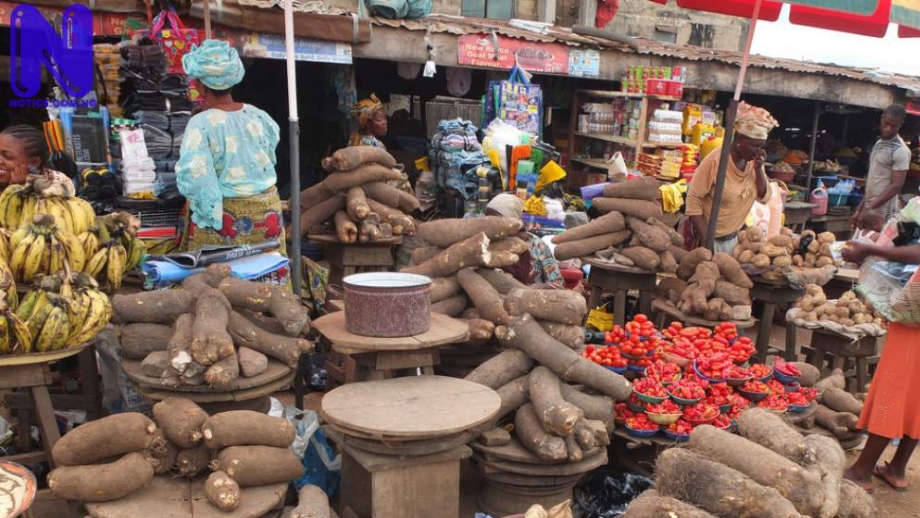
The increase marks a return to double-digit food inflation after a brief period of easing, driven largely by rising prices of staple food items such as beans, yam flour, cassava, crayfish, millet flour, and other essential commodities across markets.
The NBS report indicates that the rebound represents a 3.23 percentage point increase month-on-month, underscoring renewed pressure on household food costs even as broader inflation shows signs of moderation.
Data also showed significant variations across states, with Kogi, Benue and Anambra recording some of the highest increases in food prices, while Katsina, Imo and Ebonyi posted relatively lower rates.
Analysts say the divergence between slowing headline inflation and rising food prices highlights persistent challenges in food supply, distribution, and market stability.
While the easing in overall inflation may signal gradual economic stabilisation, the continued rise in food prices suggests that many households are yet to feel meaningful relief.
