

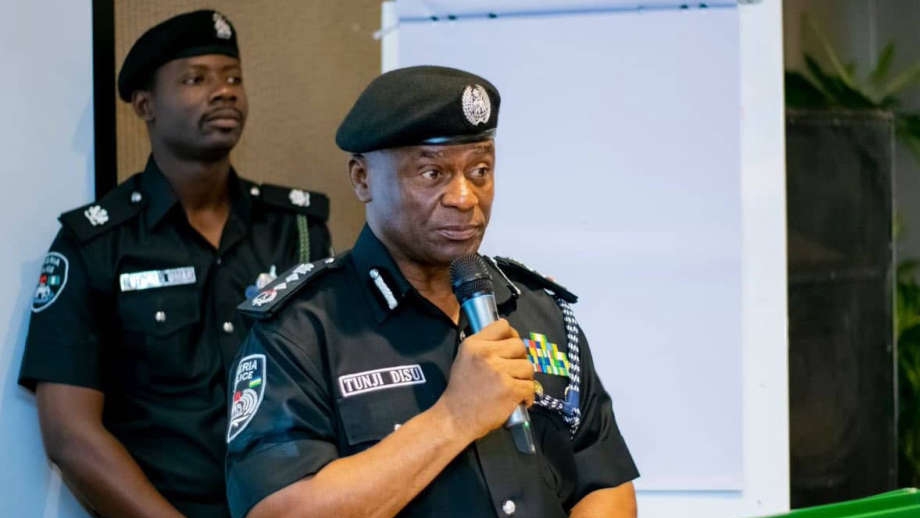
The Inspector-General of Police, Olatunji Disu, has submitted a comprehensive framework for the establishment of state police to the Senate, in a move considered a major step toward decentralising Nigeria’s policing system and addressing insecurity.
The framework was presented to the Deputy Senate President, Barau Jibrin, who also chairs the Senate Committee on the Review of the 1999 Constitution, during a meeting at the National Assembly in Abuja.
The document outlines the proposed structure, governance, and coordination between federal and state police formations if state policing is approved through constitutional amendment.
The submission comes as the Development Agenda for Western Nigeria (DAWN Commission), alongside security experts and stakeholders, began developing a regional operational framework for state policing in the South-West.
The technical session, titled “Foundational Imperatives for State Police in South-West Nigeria,” was held at the DAWN Commission headquarters in Ibadan, Oyo State.
Meanwhile, President Bola Tinubu had earlier assured Nigerians that the establishment of state police would not be postponed, describing it as part of efforts to tackle insecurity across the country.
According to a statement from the office of the Deputy Senate President, the 75-page framework was submitted on behalf of the IGP by the chairman of the police committee on state police, Professor Olu Ogunsakin, who led the team that developed the proposal.
The report, titled “A Comprehensive Framework for the Establishment, Governance and Coordination of Federal and State Police,” contains strategic recommendations based on consultations and assessments of the legal, administrative, and operational implications of state policing in Nigeria.
The Senate committee is expected to review the framework as part of the ongoing constitutional amendment process.
Speaking in Ibadan, the Director-General of the DAWN Commission, Seye Oyeleye, said the South-West region was developing its own operational template ahead of the possible take-off of state police.
He said the move was necessary because security challenges differ across regions and a uniform policing structure may not be effective nationwide.
Oyeleye expressed optimism that state police could become operational by the first quarter of 2027, noting that the outcome of the regional meeting would be presented to South-West governors for policy direction.
He also dismissed fears that governors might abuse state police, citing the regional security outfit Amotekun as an example of a sub-national security structure that has operated without political misuse.
Security experts at the meeting also emphasised that state policing must be people-centred, transparent, and tailored to local realities, noting that decentralised policing could improve response to crime and insecurity across Nigeria.
The push for state police has gained renewed momentum amid growing insecurity and increasing calls for structural reforms to Nigeria’s policing architecture.
