

The Rule of Law and Empowerment Initiative, also known as Partners West Africa Nigeria (PWAN), has warned Nigerians against involving the police in debt recovery, saying, “The Police Act 2020 does not empower the police to act as debt recovery agents.”
The organisation said the police are only mandated to prevent and detect crime, investigate offences and prosecute offenders, and not to handle civil or contractual disputes.
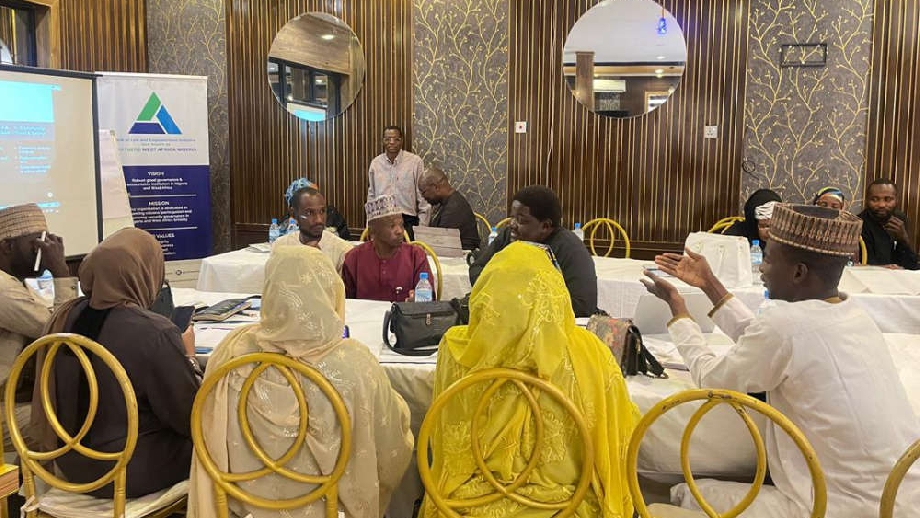
The Acting Programme Manager of PWAN, Aisha Isa Yusuf, clarified at a one-day workshop organised with support from the Foreign, Commonwealth and Development Office (FCDO) titled “Enhancing Public Trust and Gender-Responsive Policing in Nigeria Through the Effective Implementation of Police Act 2020.”
Aisha said the workshop aims to equip media practitioners with the knowledge, skills, and tools to report accurately, ethically, and responsibly on police reform, accountability, and gender-responsive policing.
Aisha said it was wrong for individuals and organisations to use the police to intimidate people over unpaid debts.
She explained that under the Police Act 2020, the police have no legal authority to intervene in purely civil matters, including debt recovery and contractual disagreements.
According to her, such matters should be taken before a court of law, where they can be resolved through proper legal processes.
She added that involving the police in civil disputes amounts to an abuse of their role and also distracts officers from their primary responsibility of ensuring public safety.
“This is very wrong. Under the 2020 Act, the primary duty of the police is to prevent and detect crime, investigate and prosecute offenders. They are not debt recovery agents.
If someone owes you money or there's a breach of contracts, then it's a civil matter and must be handled by the court.”
Aisha said the training was designed to strengthen journalists’ understanding of police accountability, reform initiatives, and the need to promote humane and gender-sensitive policing in Nigeria.
She described the media as a key catalyst for police reform, noting that journalists serve as a bridge between victimised citizens and what she called an often opaque security system.
Aisha stressed the need for journalists to monitor police conduct at the grassroots, adding that “as gatekeepers, the media determine which cases of injustice receive national attention.”
She urged reporters to go beyond “breaking news” by demanding policy change and helping the public understand the proper role of the police under the law.
Also speaking at the workshop, a Development Communication Expert, Odoh Diego Okenyodo, said police reform must be approached from a development perspective.
Okenyodo, who facilitated a session on development reporting and solutions journalism, encouraged journalists to rely on verified facts and data rather than rumours.
He said, “Responsible and evidence-based reporting could influence positive reforms within public institutions, including the police.”
During the practical session, participants were divided into five groups and tasked to assess what has worked since the implementation of the Police Act 2020.
The session, led by another facilitator and media expert, Aro Leonardo, urged journalists to “humanise the police in their reporting by recognising the personal and professional challenges faced by officers.”
He said understanding and empathy would help journalists produce more balanced, fair, and responsible reports on policing in Nigeria.