
Somalia has strongly condemned Israel’s decision to recognise Somaliland as an independent state, calling it a direct attack on the country’s sovereignty.
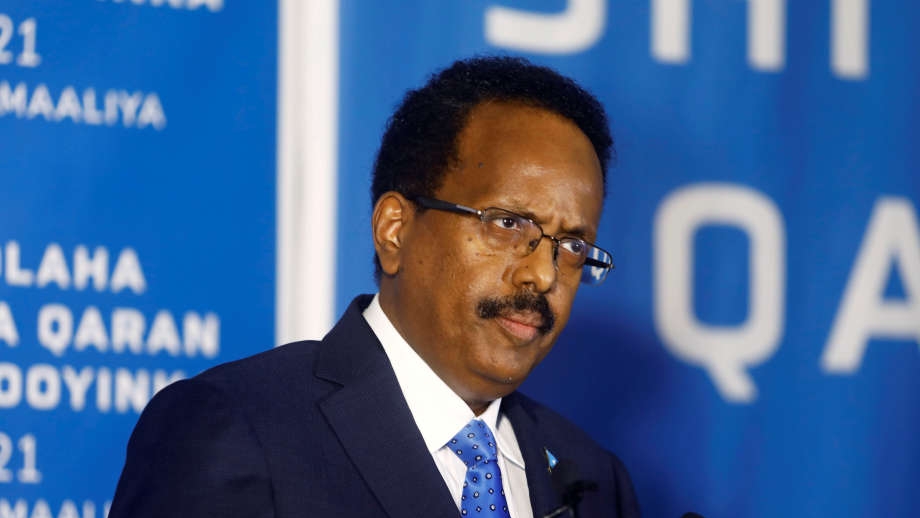
President Hassan Sheikh Mohamud described the move as dangerous and destabilising, warning it could threaten peace in the Horn of Africa and beyond.
He spoke during an emergency joint session of Somalia’s parliament in Mogadishu, where he declared the recognition null and void. According to him, Somaliland remains an inseparable part of Somalia under international law.
The condemnation followed a declaration signed by Israeli Prime Minister Benjamin Netanyahu and Somaliland officials. The move makes Israel the first United Nations member state to formally recognise Somaliland’s long standing bid for independence.
President Mohamud warned that the decision could embolden extremist groups such as Al-Shabaab and worsen insecurity in the region. He said it also violates the principles of the United Nations and the African Union, which emphasise respect for territorial integrity.
He dismissed claims linking the recognition to any plan to relocate Palestinians from Gaza to Somali territory. The president insisted Somalia would never support the forced displacement of Palestinians and accused Israel of trying to shift its regional conflicts elsewhere.
After his address, Somalia’s parliament passed a resolution rejecting Israel’s action. Lawmakers also urged the international community not to engage with Somaliland authorities outside Somalia’s recognised sovereignty.
Several regional and international actors, including the African Union, Arab League, Turkey and Egypt, backed Somalia’s position and warned of possible security implications, especially around the Red Sea.
Despite the backlash, celebrations were reported in Somaliland’s capital, Hargeisa, where crowds waved Israeli and Somaliland flags.
Somaliland’s president, Abdirahman Mohamed Abdullahi, defended the recognition, saying it was a sovereign decision meant to promote peace and international cooperation, not conflict.
