

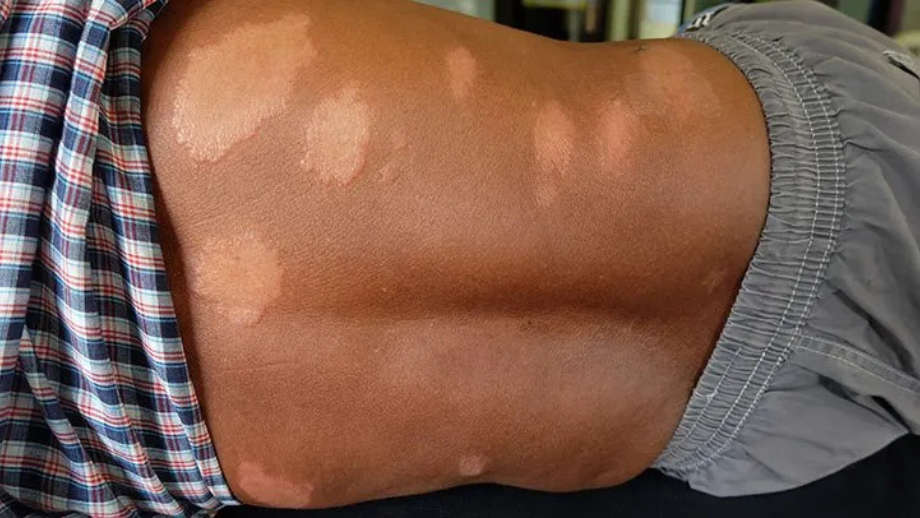
A public health advocate, Saleh Farouq Gagarawa, has warned that Nigeria’s efforts to eliminate leprosy may continue to fall short unless the government expands its response beyond medical treatment to include stronger social protection, anti-discrimination policies, and poverty reduction measures.
In a policy paper titled “Cured Yet Left Behind: Why Ending Leprosy in Nigeria Demands More Than Medicine,” Gagarawa argued that although thousands of patients have been successfully treated over the years, many continue to face exclusion, unemployment, and psychological trauma after recovery.
“Ending Leprosy in Nigeria will not be achieved by medicine alone,” he said. “Cure does not always translate into dignity, and survival does not guarantee inclusion.”
The paper identified stigma as one of the biggest barriers to ending the disease, noting that many persons affected by leprosy still experience discrimination in schools, workplaces, housing, and even healthcare facilities.
Gagarawa, who is the Spokesperson of Leprosy and Tuberculosis Relief Nigeria, said the absence of enforceable anti-discrimination laws discourages people from seeking early treatment, worsening transmission and disability outcomes.
“A rights-based legal framework would not only protect individuals but would actively drive early detection, because people are far more likely to seek help when they know they will not be punished socially for doing so,” he stated.
Poverty and unemployment worsen the burden
Gagarawa said many recovered patients are often left without economic support, forcing them back into poverty and dependency despite completing treatment.
He called for mandatory reintegration programmes, including skills acquisition, micro-grants, and access to social protection schemes.
“Skills development, micro-grants, and access to social protection systems are not welfare gestures; they are public health strategies,” he said.
The paper also highlighted the weak connection between leprosy services and disability support systems in Nigeria, noting that many patients who develop disabilities struggle to access rehabilitation and long-term care.
Concerns Over Delayed Detection
The advocate criticised Nigeria’s heavy reliance on passive case detection, where patients are expected to report themselves at health facilities.
He argued that the approach contributes to late diagnosis, advanced disease, and continued transmission in rural communities.
“A national early detection and active case-finding policy for Leprosy would shift the system from reactive to proactive,” he said.
Gagarawa noted that community-based organisations such as Leprosy and Tuberculosis Relief Nigeria are already supporting active case finding and rehabilitation in some communities but warned that the efforts remain inconsistent without stronger government backing and funding.
Mental Health, Data Gaps
The paper further identified mental health as a neglected aspect of leprosy care in Nigeria, saying many affected persons continue to suffer emotional trauma caused by stigma and isolation long after being medically cured.
“A national mental health integration policy within leprosy services is not an added benefit; it is a necessity,” the author said.
He also called for improved data collection and transparency, arguing that weak reporting systems continue to limit effective planning and accountability in the leprosy response.
Gagarawa maintained that ending leprosy in Nigeria would require a broader development approach that addresses poor housing, malnutrition, and persistent poverty alongside healthcare interventions.
“What remains is the collective will to act, with government, partners, and communities working together to ensure that no one is cured and left behind,” he said.

Comments
Add a comment