

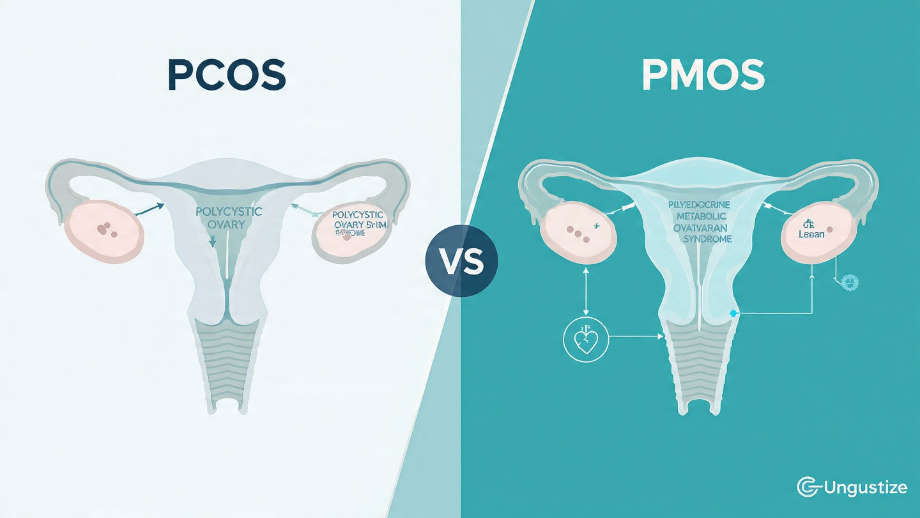
For years, millions of women around the world have known the condition as Polycystic Ovary Syndrome, or PCOS.
But health experts now say the name never truly explained what the disorder was about.
After more than a decade of global discussions involving doctors, researchers and patients, the condition has officially been renamed Polyendocrine Metabolic Ovarian Syndrome, or PMOS. The change was announced earlier this month at the European Congress of Endocrinology and published in the medical journal The Lancet.
According to international experts, the old name focused too heavily on ovarian “cysts,” even though many patients with the condition never really had cysts.
The new name is meant to better reflect the disorder’s effects on hormones, metabolism, mental health and the reproductive system.
General Practitioner Dr. Opeyemi Oladunjoye, in a chat with our correspondent following the renaming of the condition, said the change is “primarily a reframing of the same condition to better capture its multi-systemic endocrine-metabolic nature.”
She explained that PMOS is not a new disease and that treatment will remain broadly similar.
However, Dr. Oladunjoye and doctors now want stronger attention placed on long-term risks such as diabetes, obesity, heart disease and mental health conditions.
“The ‘cysts’ misconception has led women and clinicians to overemphasise ovarian cysts, delaying recognition of wider hormonal and metabolic problems,” she said.
The condition affects about one in eight women globally, according to the Endocrine Society.
Experts say it remains one of the most misunderstood disorders affecting women.
Professor Helena Teede of Monash University in Australia, who led the international name-change project, said the old term contributed to “missed diagnoses and inadequate treatment.”
The shift to PMOS has also received strong reactions online from women who say they struggled for years to receive proper diagnosis and treatment.
On Reddit, one user wrote, “It’s great they’ve updated the name but we still need treatment.”
Another said the old name led many doctors to wrongly assume patients could not have the condition if they did not have visible cysts.
Doctors say symptoms can include irregular periods, acne, excessive facial hair, weight gain, insulin resistance and fertility problems.
Mental health challenges such as anxiety and depression are also common.
Oladunjoye advised women with such symptoms to seek proper medical evaluation instead of ignoring the signs.
“The first step is to visit a gynaecologist and ask explicitly for a structured evaluation,” she said.
She added that doctors may recommend hormone tests, metabolic screening and ovarian assessments to help confirm the diagnosis.
Experts believe the new name could improve awareness, reduce stigma and help women receive earlier and more complete care.
Still, many patients and advocacy groups say changing the name alone is not enough.
“There is new hope,” one international report noted, “but better access to diagnosis, treatment and research remains essential.”

Comments
Add a comment